Maxwell® in Focus 2026
Discover Glo 2023 - Biologically Relevant Models to Advance your Research
Tuesday 9 June 2026
Join the Promega team and fellow research scientists for our first Maxwell® in Focus meeting. Whether you're a current Maxwell system user or simply curious about what the technology can do, we'd love to see you there.
Tuesday 9 June 2026
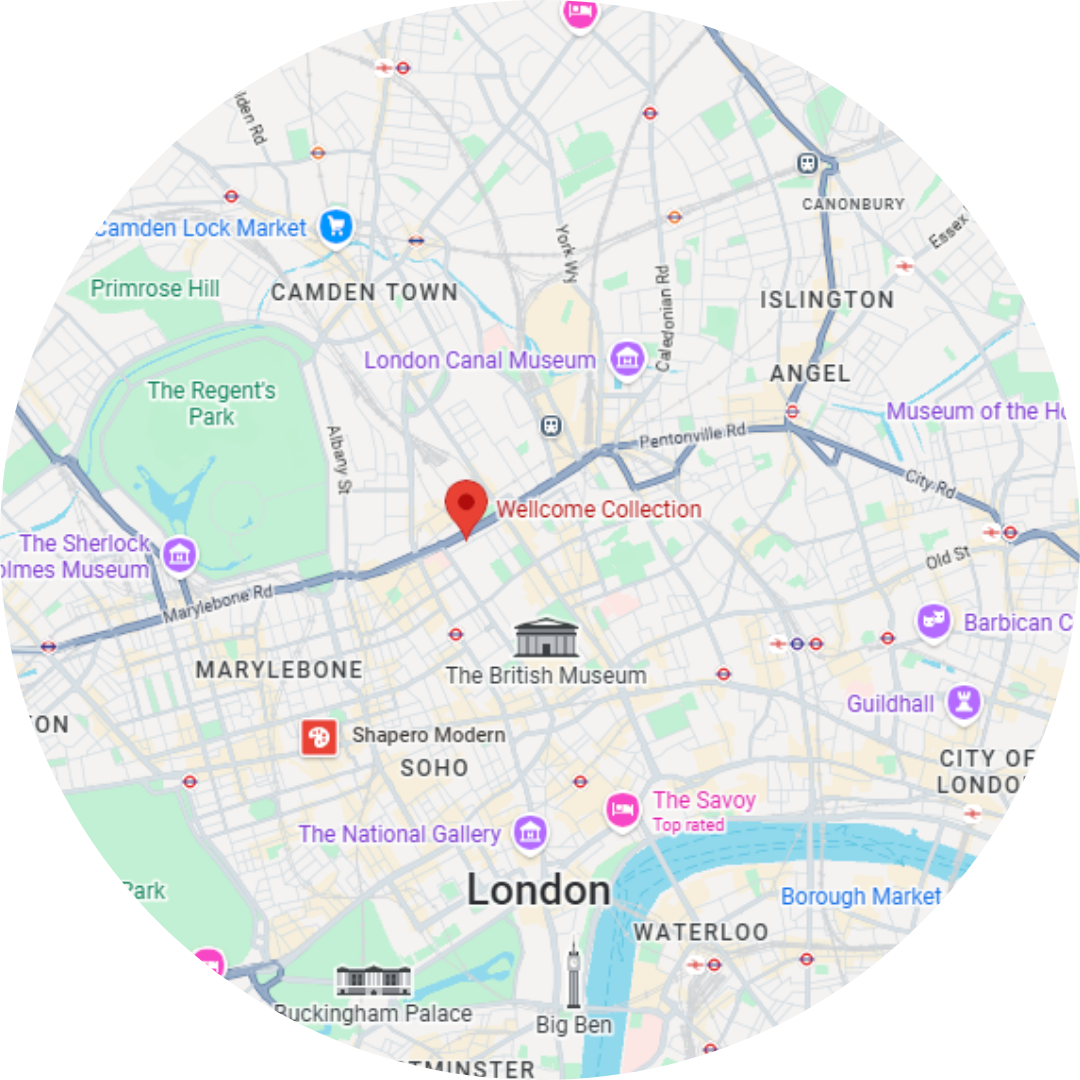
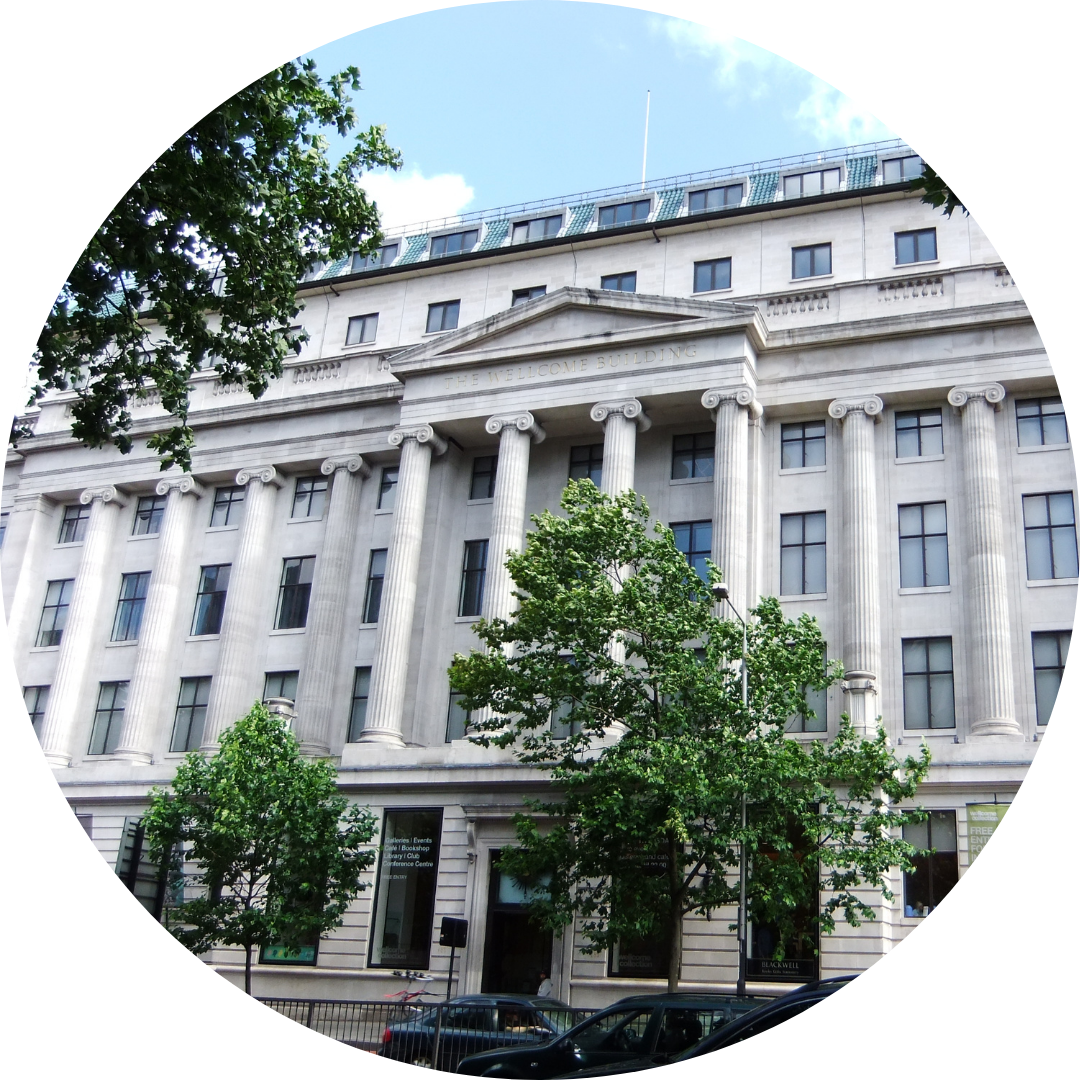
The Wellcome Collection, 183 Euston Road, London,
NW1 2BE
09:30 - 17:00 GMT
Join Us!
Expect to hear engaging talks given by thought leaders and end users in the field on topics such as cell free DNA extraction for transplantation and oncology applications, and optimising Nucleic Acid extraction for Long Read Sequencing. We will also discuss how you can scale up Maxwell® chemistry with our High-Throughput (HT) solutions.
This event will bring together Maxwell® users, product experts, and application specialists for a day of insights, inspiration, and connection.
We hope to see you there!
Agenda
| 9:30 | Registration and Coffee |
|---|---|
| 10:00 | Stephanie Anderson | Promega UK Welcome Address. |
| 10:10 |
Monica Yue | Promega Corporation Maxwell®: A Trusted Platform Evolving with Clinical and Translational Science |
| 10:40 |
Noor Wana | Francis Crick Institute The MANIFEST Project: From Multiomic Discovery to Clinical Reality with Maxwell® CSC |
| 11:00 | Doug Clark | East Genomics Implementing the Maxwell® XtractAll FFPE Kit at Cambridge Genomics Laboratory |
| 11:20 | Tea, Coffee and Networking |
| 11:50 | Vânia Costa | Oxford Nanopore Technologies Oxford Nanopore Sequencing with Promega Maxwell® |
| 12:10 | Bronwen Laugharne | Oxford Nanopore Technologies Oxford Nanopore Sequencing Case Study |
| 12:20 | Iman Awadh | Royal Marsden Utility of Nanopore Long Read within a Clinical Setting |
| 12:40 | Panel Discussion Optimisation Sample Collection/Extraction for ONT Sequencing |
| 13:00 |
Lunch and Networking |
| 14:20 | Debbie Hughes | Royal Marsden Automated cfDNA Extraction: Rapid Results without Compromising Yield |
| 14:40 |
Sarah Peacock | Addenbrookes Standardising Pre-Analytical Conditions for Reliable Donor-Derived Cell-Free DNA Quantification in Solid Organ Transplantation |
| 15:00 |
Sarinder Day | North Bristol Trust Evaluation of dd-cfDNA in Kidney Transplant Monitoring and Implementation of Pre-Analysis Sample Processing Method Using Maxwell® RSC Rapid ccfDNA Kit |
| 15:30 |
Refreshment Break |
| 16:00 | Rhys Cooper | Promega Promega High Throughput Chemistries - Taking the Next Step |
| 16:30 | Final Remarks and Event Close |
Speakers
Vânia Costa
Senior Strategic Field Applications Scientist
Oxford Nanopore Technologies
Oxford Nanopore Sequencing with Promega Maxwell®
Vânia Costa is a Senior Strategic Field Applications Scientist at Oxford Nanopore Technologies. She has been part of the company for over eight years and has a strong background on extractions and sample preparation. She is part of the Technical Services team, and her role is focused on supporting high-throughput projects, from planning until completion. Previously to her current role, she was part of the Applications team where she focused on testing and optimising extractions on a variety of sample types for downstream analysis with nanopore devices.
Research human blood samples were used to assess the performance of three Promega extractions kits on the Maxwell® device with Nanopore sequencing. The aim was to compare extracts from the different kits while determining the effect of adding some sample manipulation, namely fragmentation. In addition to this, stability of the extracts at -20C for one year was also evaluated. We observed that whilst not all kits perform the same, and some level of fragmentation is beneficial, Promega Maxwell® extractions are compatible with Nanopore sequencing. Regarding stability, we can confirm that the extracts remain stable after one year with little degradation observed, and with very similar performance to the fresh extractions. We will present the results of the comparison between the different kits, with and without sample manipulation, throughout time, and provide useful information on how to work with Promega extracts to obtain the best performance with Nanopore Sequencing.
Doug Clark
Senior Genetic TechnologistEast Genomics at Addenbrooke's Hospital, Cambridge
Implementing the Maxwell® XtractAll FFPE Kit at Cambridge Genomics Laboratory
Doug Clark is a Senior Genetic Technologist at the Cambridge Genomics laboratory, at Addenbrooke’s Hospital. He supports the delivery of genomic testing within a clinical setting, contributing to the accurate and timely analysis of patient samples. He is involved in nucleic acid extraction project implementation, quality control and data interpretation. His work supports diagnostic services across a range of clinical areas, helping to ensure robust and reliable results.
The Maxwell® RSC XtractAll FFPE DNA/RNA Kit was investigated to see how its implementation could aid service delivery of FFPE specimens in the Cambridge Genomics laboratory. Slide mounted FFPE samples from a range of tissue types were extracted as described in the Maxwell® RSC XtractAll FFPE DNA/RNA Kit technical manual the nucleic acids obtained were assessed using quality measures utilised by the Cambridge Genomics laboratory. Operational benefits including costing, workforce requirements and workflow optimisation were observed which offer key advantages in a high throughput clinical service. Furthermore, the technical data proves that nucleic acids obtained from the extraction of FFPE samples using the Maxwell® RSC XtractAll FFPE DNA/RNA kit obtain a suitable yield for downstream processes used by the Cambridge Genomics Laboratory.
Sarah Peacock
Consultant Clinical Scientist
Addenbrookes Tissue Typing
Standardising Pre-Analytical Conditions for Reliable Donor-Derived Cell-Free DNA Quantification in Solid Organ Transplantation
Sarah is a Consultant Clinical Scientist and Director of the Tissue Typing Laboratory in Cambridge. The laboratory supports the transplantation program in the East of England offering a comprehensive range of assays and clinical advice for solid organ and stem cell transplantation. Sarah is an active member in her field with numerous publications, positions on professional body committees and collaborates in both national and international research projects.
Donor-derived cell-free DNA (dd-cfDNA) is a promising non-invasive biomarker for early detection of allograft injury in solid organ transplantation. Despite strong clinical evidence, implementation within NHS laboratories remains limited. Our aim was to evaluate the pre-analytical variables that may impact downstream assays for dd-cfDNA quantification. Pre-analytical variables included blood collection tube type; cfDNA extraction platform; plasma input volume and time from collection to extraction. These were evaluated across samples from post-heart transplant recipients. We observed that when comparing blood tube type; DNA extraction platform; plasma volume and time to extraction all scenarios produced cfDNA that met the quality metrics required for downstream assays. In conclusion we have shown that with appropriate control of pre-analytical variables, cfDNA can be produced for accurate and reproducible dd-cfDNA quantification.
Rhys Cooper
Field Support Scientist
Promega
Promega High Throughput Chemistries – Taking the Next Step.
Rhys Cooper is a Field Support Scientist at Promega, specialising in high throughput automation and workflow scale-up. He works with laboratories to optimise processes, enabling efficient and reliable handling of increasing sample volumes. With experience in automation technologies and laboratory workflows, Rhys supports customers in implementing scalable solutions tailored to their specific needs. His expertise includes system integration, method development and troubleshooting to ensure consistent performance. Rhys collaborates closely with research and industry partners, helping translate automation strategies into practical, high-impact outcomes. He is focused on supporting laboratories to improve productivity, reproducibility and overall workflow efficiency.
When extraction volumes outgrow the Maxwell® system, what comes next? This talk explores the options available to labs requiring higher throughput — including which automation platforms are supported, how familiar Maxwell® chemistries transfer to bulk-format workflows, and what instrumentation is compatible. Promega offers an extensive portfolio of high-throughput reagents alongside dedicated on-site application support, helping labs navigate instrument selection, method development, and implementation. Whether you're planning ahead or already at capacity, this session will give you a clear starting point and the right contacts to move your project forward.
Monica Yue
Commercial Expansion and Support Partner
Promega Madison:
Maxwell®: A Trusted Platform Evolving with Clinical and Translational Science
Monica Yue is a Commercial Expansion and Support Partner at Promega Corporation, where she manages the Maxwell® and Maxprep® instruments and reagent kits. These are systems designed to automate nucleic acid extraction workflows for both research (RUO) and in vitro diagnostic (IVD) applications. Her work focuses on promoting awareness and expanding adoption of these tools to enable efficient and approachable automation of genomics workflows across diverse laboratory settings. Monica earned her PhD in Molecular and Environmental Toxicology from the University of Wisconsin-Madison and joined Promega in 2017 on the Technical Services team before transitioning into product management in 2022. She combines scientific expertise with commercial experience to help researchers and laboratory professionals get the most from Promega's automation solutions.
Noor Wana
Laboratory Research Scientist
Francis Crick Institute
The MANIFEST Project: From Multiomic Discovery to Clinical Reality with Maxwell® CSC
Noor Wana is a Laboratory Research Scientist at the Francis Crick Institute, contributing to the MANIFEST project. MANIFEST stands for “Multiomic Analysis of Immunotherapy Features Evidencing Success and Toxicity”. The MANIFEST consortium is comprised of 14 leading academic institutions, 6 NHS trusts, and about a 19 industry partners and collaborators from the biotech and pharmaceutical sectors.
Noor’s work focuses on applying advanced molecular and cellular techniques to investigate key biological questions within a collaborative research environment.
With experience in experimental design and data generation, Noor supports the development and execution of research workflows, ensuring high-quality and reproducible results. She works closely with multidisciplinary teams to translate complex scientific concepts into practical laboratory applications.
Noor is committed to advancing understanding through rigorous research and collaboration, supporting the delivery of impactful insights within the life sciences.
Debbie Hughes
Senior Scientific Officer
Royal Marsden
Automated cfDNA Extraction: Rapid Results without Compromising Yield
Iman Awadh
Research Scientist
Royal Marsden
Utility of Nanopore Long Read within a Clinical Setting
Emerging technologies require laboratories to adapt and refine existing workflows to fully realise the potential of these platforms. This may involve optimising sample storage, extraction methods, and handling procedures to maximise sequencing quality and ensure the generation of robust, high-quality data. In this presentation, Iman will share the Royal Marsden’s experience to date in sequencing clinical samples using the Oxford Nanopore PromethION 48, highlighting key operational considerations, lessons learned, and the practical adjustments required to support successful clinical implementation.
Bronwen Laugharne
Development Scientist
Oxford Nanopore technologies
Oxford Nanopore Sequencing Case Study
Sarinder Day
North Bristol Trust
Lead Clinical Scientist Immunogenetics
Evaluation of dd-cfDNA in Kidney Transplant Monitoring and Implementation of Pre-Analysis Sample Processing Method Using Maxwell® RSC Rapid ccfDNA kit.
Directions
By Tube: Euston Square station (Circle, Hammersmith & City, and Metropolitan lines) is directly opposite the building, it's a one minute walk. Euston station (Northern and Victoria lines) is about a five minute walk along Euston Road heading west.
By Train: London Euston station is a five minute walk east along Euston Road. St Pancras International (for Eurostar and East Midlands Railway) and King's Cross station are both around a ten minute walk heading east.
By Bus: Several routes stop on Euston Road right outside or very close to the venue, including the 10, 18, 30, 59, 73, 91, and 205.
By Car: The Wellcome Collection is located on the A501 (Euston Road), easily accessible from the A1, A40, and the Euston one-way system. However, please note the venue is within the Congestion Charge Zone, which operates Monday–Friday, 7am–6pm (charge applies on 9 June). There is no on-site car park. Limited pay-and-display street parking is available on nearby side streets, but we strongly recommend travelling by public transport.