A Chance Encounter, a New Kit, and a Major RNA Extraction Breakthrough
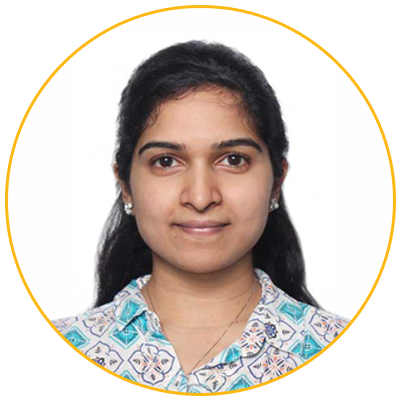
Guest blog by Vikashini Ravikumar Nishakar, University of Cambridge
Working with self-derived human placental organoids, I initially found RNA extraction to be one of the most challenging parts of my workflow. The organoids are small, embedded within Matrigel, and can provide a relatively limited amount of starting material. Efficiently releasing the cells from the Matrigel domes and obtaining sufficient, high-quality RNA for downstream applications became a persistent challenge.
For months, I struggled with this part of the workflow. I initially used another established commercial RNA extraction system and routinely obtained only around 5–50 ng/µL RNA, often averaging closer to 20–30 ng/µL. Even after increasing the number of organoid wells pooled per sample, the problem remained. In addition, RNA purity could be inconsistent, particularly the A260/230 ratio, making it difficult to feel confident about the RNA going into downstream applications.
Then came a rather unexpected turning point.
During a Promega roadshow at the University of Cambridge, I happened to meet Dr Firdous Unnisa Begum, Key Account Manager at Promega UK. At the time, I had been struggling with my organoid RNA extraction for months, so our conversation came at exactly the right moment. What I particularly appreciated was that the conversation did not end when the roadshow did. Dr Begum was incredibly responsive, followed up promptly, and maintained excellent communication throughout the process, which ultimately gave me the opportunity to try the Promega ReliaPrep™ Tissue RNA Miniprep System and see whether it could solve the problem.
It did.
The difference was immediately striking.
In a direct comparison using six pooled organoid wells and a 30 µL elution volume, my previous extraction workflow yielded only 7.2 and 6.6 ng/µL, with A260/230 ratios of 0.18 and 1.04. In contrast, ReliaPrep™ gave me 272.4 and 209.4 ng/µL from comparable samples, with A260/280 ratios of 2.02–2.03 and A260/230 ratios of 1.89–2.20.
In this comparison, ReliaPrep™ produced approximately 35-fold higher RNA concentrations, while simultaneously giving me RNA with excellent purity.
More importantly, this was not simply a one-off result. I have now tested approximately 15 samples using ReliaPrep™, and my RNA concentrations have ranged from around 690 ng/µL to 1,859.6 ng/µL using a 30 µL elution volume. The consistency and quality of the RNA have completely changed the way I approach my downstream experiments.
One particularly memorable example came from a practical challenge in the laboratory. I had frozen lysates from a term human placental organoid line that had originally been stored in another lysis buffer. After switching to ReliaPrep™, I did not want those samples to go to waste. I adapted the existing lysates by adding the appropriate Promega lysis components and extracted them alongside a sample that had been stored directly in the Promega lysis buffer.
The results were excellent. The two samples originally stored in the previous lysis buffer yielded 548.6 and 397.4 ng/µL, while the sample stored in Promega lysis buffer yielded 768.1 ng/µL. All three samples had A260/280 ratios around 2.0 and A260/230 ratios close to 2.0.
The biggest benefit, however, has been what this improvement has enabled downstream. Having substantially more high-quality RNA allowed me to increase my input for reverse transcription, perform systematic titrations to determine the RNA input required for my experiments, reduce the number of RT reactions needed, improve housekeeping-gene Ct values, detect targets that had previously been difficult to measure, and ultimately simplify my RT-qPCR workflow.
Instead of constantly working around limited RNA availability, I could finally optimise the molecular biology based on the biology of my samples.
The ReliaPrep™ protocol was also straightforward to implement. I particularly appreciated the on-column DNase digestion step, which adds approximately 20 minutes to the workflow. However, for me, that additional time was easily justified by the multi-fold improvement in RNA yield and purity.
My research uses human placental organoids as a miniature model to investigate trophoblast biology and gestational-stage-associated placental phenotypes. Having a reliable source of high-quality RNA makes it possible to characterise these organoids much more comprehensively and opens the door to using this model for future studies from multiple directions, including developmental biology, disease modelling, molecular characterisation, and potential therapeutic testing.
Looking back, what started as months of frustration with RNA extraction was ultimately resolved through a combination of finding the right technology and meeting the right person at the right time.
I am particularly grateful to Dr Firdous Begum, Key Account Manager at Promega UK, for that initial introduction to Promega, her consistently prompt follow-up, and her outstanding communication throughout the process. A chance conversation at a Cambridge roadshow ultimately led me to a product that transformed one of the biggest bottlenecks in my workflow into one of the most reliable steps.
For me, ReliaPrep™ did not just improve my RNA yield, it changed what I was able to do with my research.
If you would like to find out more about ReliaPrep™ you can do so here or you can speak to the Key Account Manager in your area.