Learning from Leaders
A PhD Journey Guided by Remarkable Forensic Minds
Undertaking a PhD is often described as challenging, but for me, my experience so far has been incredibly inspiring and meaningful thanks to the guidance
of my supervisors. Being mentored by both Professor Denise Syndercombe Court and Dr David Ballard, who are two highly respected figures in forensic science, feels like an incredible opportunity and privilege.
Dr Ballard began his journey in forensic science due to his passion for solving complex biological puzzles. His 25 years working in the field has ultimately
led him to becoming the programme director for the MSc/MRes Forensic Science programmes at King’s College London. In addition to his role in education,
Dr Ballard acts as the principal
scientist within the ISO17025 accredited DNA analysis at King’s laboratory. Here he utilises cutting-edge sequencing techniques to analyse human autosomal and mitochondrial DNA to solve complex kinship scenarios and identify individuals in mass disaster cases. He also leads a team of researchers that focus on a wide range of topics relating to novel approaches to forensic investigations such as forensic metagenomics, DNA methylation analysis and body fluid identification.
Dr Ballard states that he is lucky to be able to combine teaching, research and forensic casework in his job. Merging these three areas together allows him to keep innovating and validating laboratory techniques all while being able to pass this knowledge onto the next generation of forensic scientists.
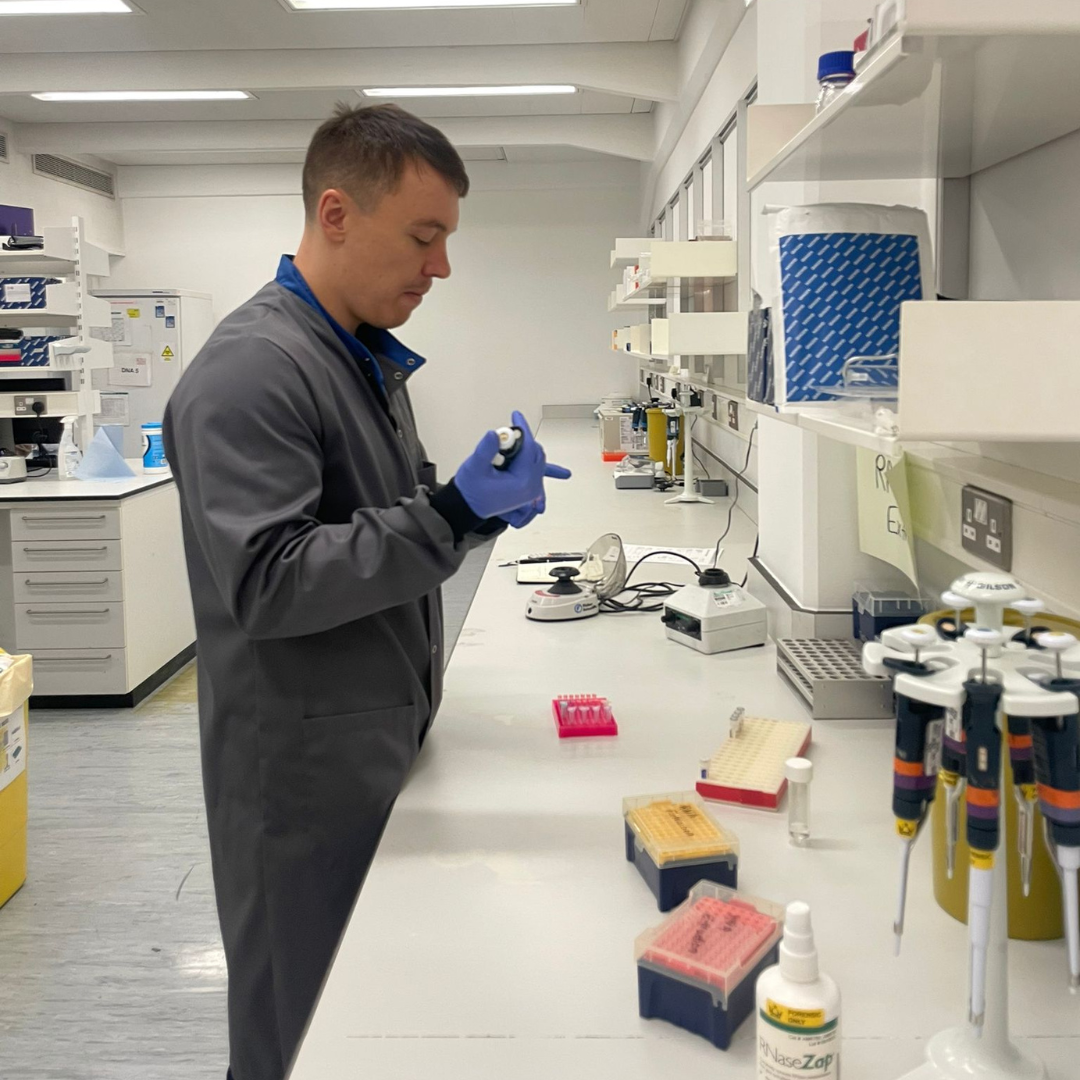
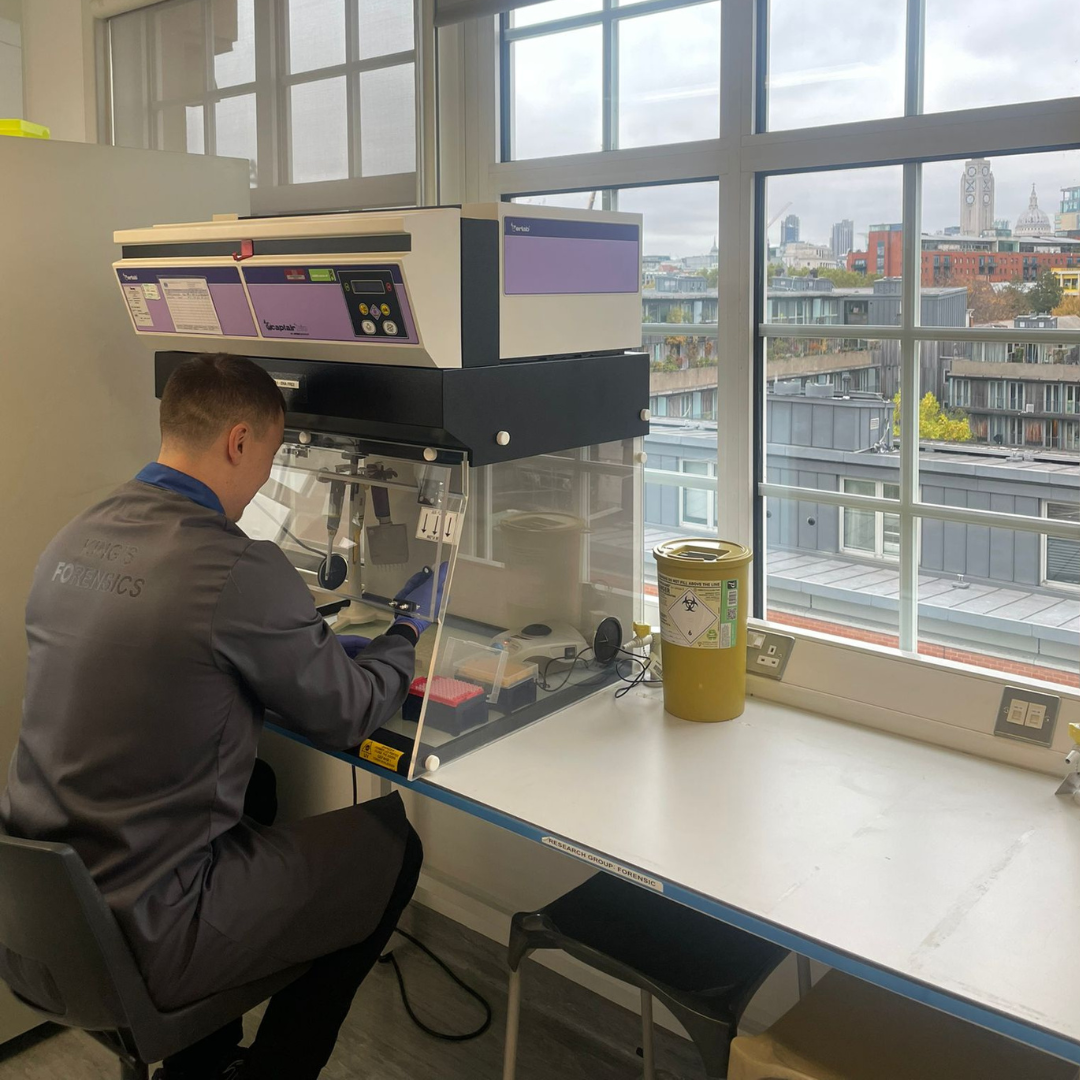
In contrast, Professor Syndercombe Court entered forensics due to her commitment to finding robust evidence and seeking justice by ensuring what is being done is fair and reasonable. After starting her career working in medical research, she transitioned into forensic haematology driven by a desire to establish more rigorous and statistically sound methods for evaluating evidence. She is now a Professor of Forensic Genetics at King’s College London and the Head of the ISO17025 accredited DNA analysis at King’s laboratory. Professor Syndercombe Court is also a member of the European DNA Profiling Group and a representative for the International Society of Forensic Genetics within the Forensic Regulator’s DNA Working Group.
Her approach to forensic analysis goes beyond laboratory processes. Professor Syndercombe Court prides herself on making sure that the scientific methods employed are ethically sound and statistically meaningful. Additionally, she believes that forensic scientists have the responsibility to communicate complex results received from these methods clearly and honestly, especially to non-scientific audiences. This passion led her to become a member of the Home Office Science and Technology Ethics Advisory Committee.
Moreover, Professor Syndercombe Court’s work on kinship analysis and international humanitarian cases, such as identifying long-lost family connections in Kenya, or identifying human remains found on an Antarctic glacier after 66 years, which finally provided closure to the individual’s family, highlights how forensic science extends far beyond courtrooms, touching real lives in profound ways.
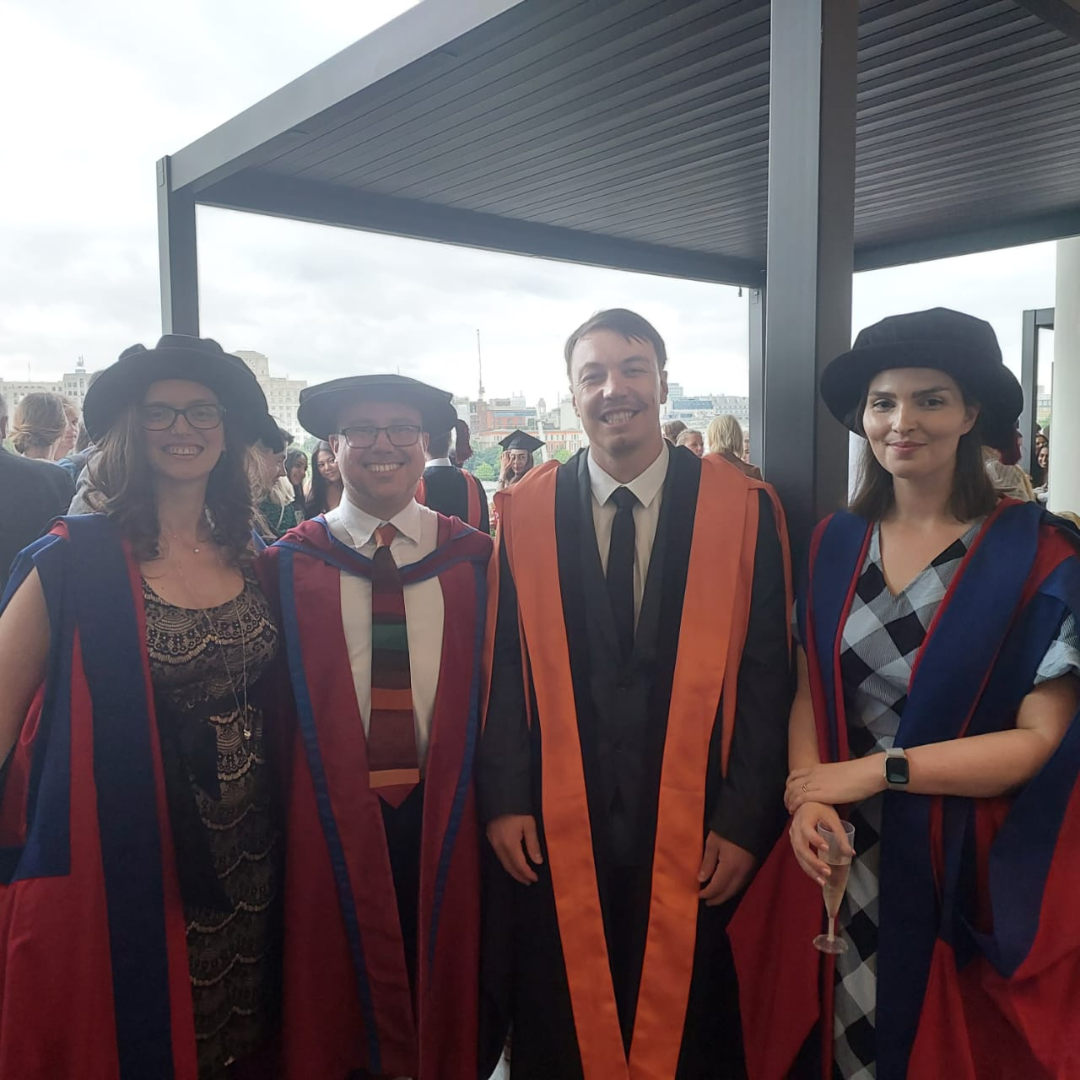
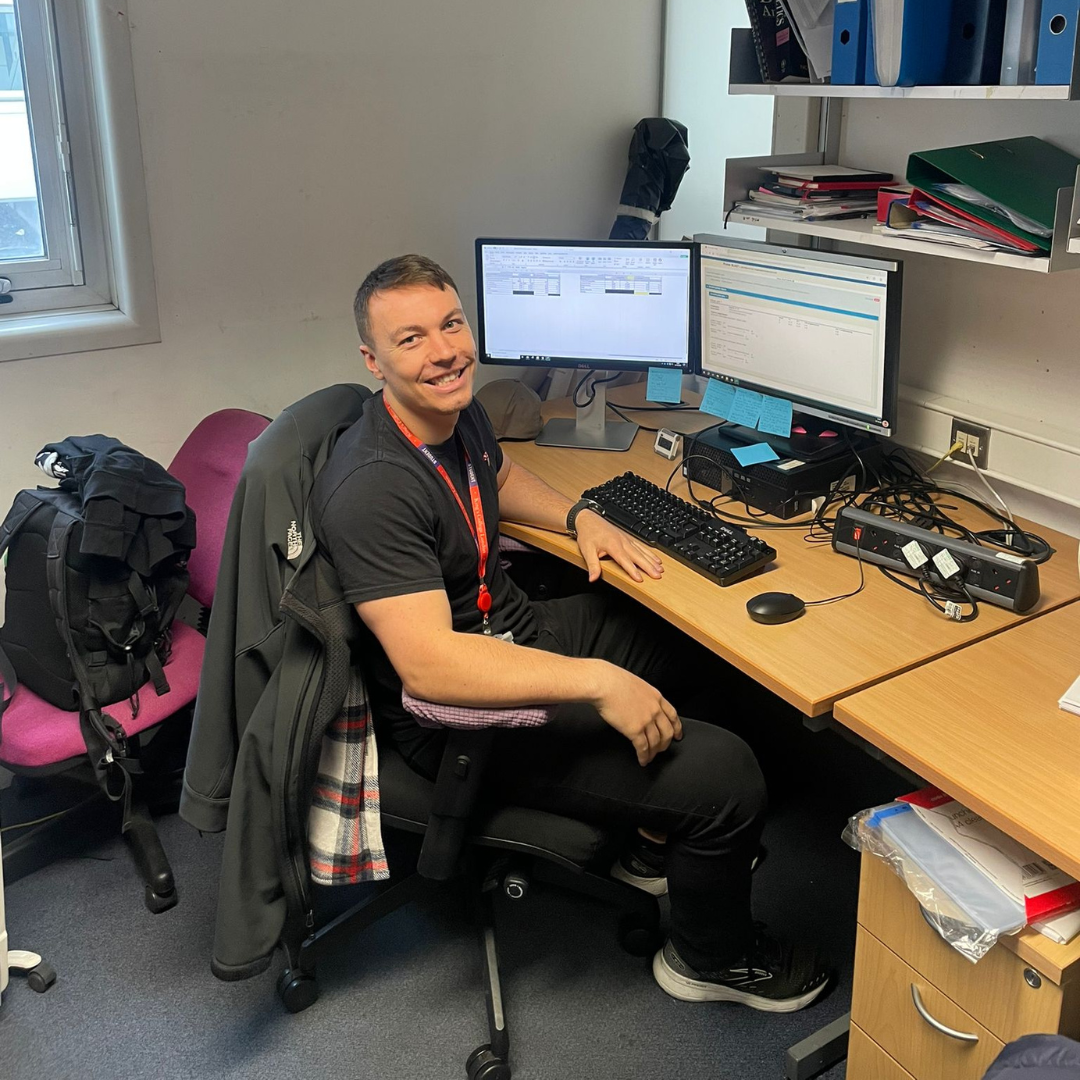
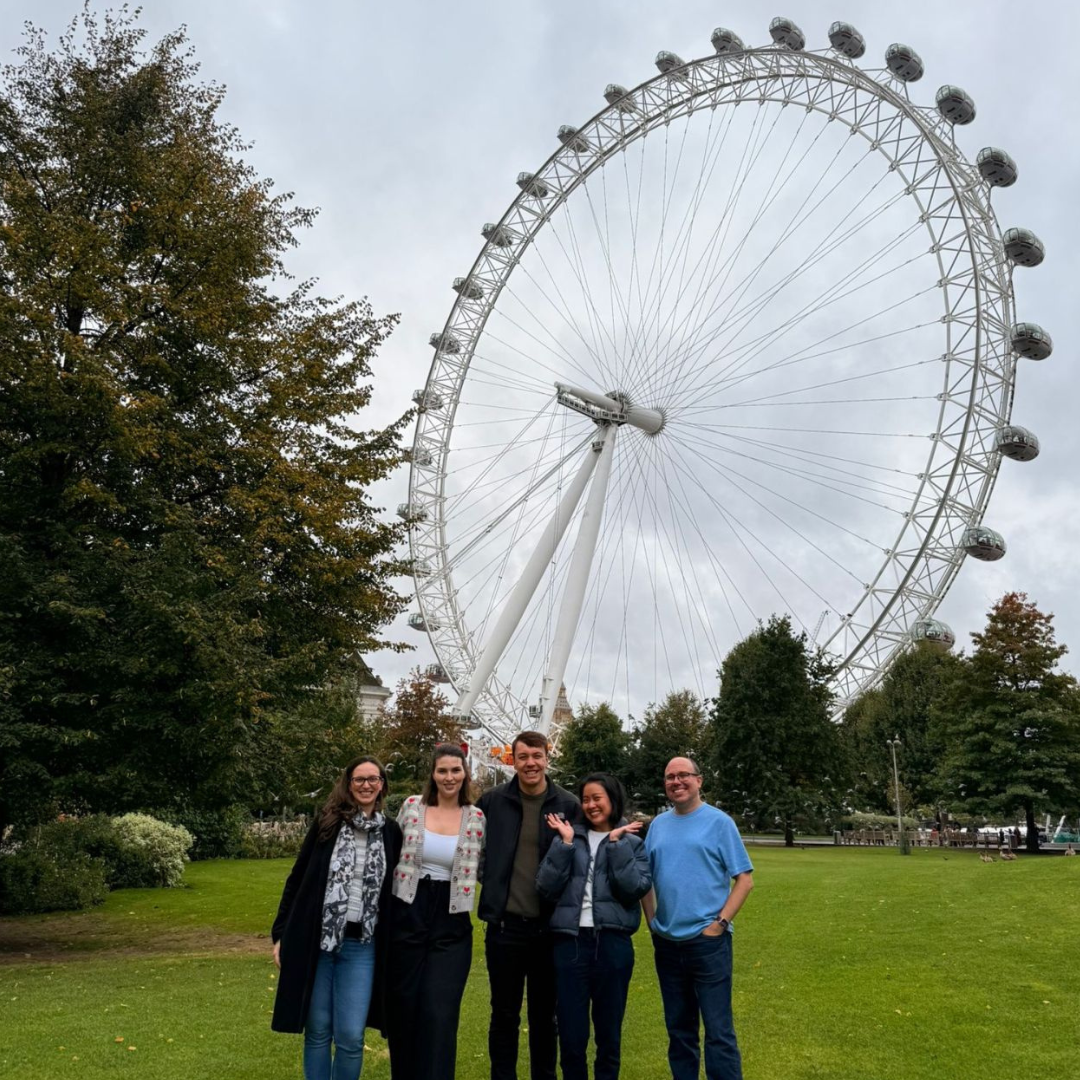
Together, I believe that my supervisors encompass two key aspects of forensic science: innovation and justice. They both strive for scientific discovery while ensuing each finding is grounded in fairness and clarity. Watching how they collaborate, each bringing a different strength, has reshaped how I see the field.
As a PhD student, I feel extremely fortunate to learn from supervisors who not only produce globally renowned work but who exemplify what modern forensic science should be: collaborative, ethical, and just. To be able to have the opportunity to learn the analytical skills and curious mindset required to continually improve the processes we implement is exciting and I cannot wait for the years to come.