Talking Science with Dr Caroline Parker, The Forensics Genomics Innovation Hub (FGIH)
About the Forensic Genomics Innovation Hub
The Forensic Genomics Innovation Hub is a respected UK provider of genetic and molecular diagnostic testing, focused on delivering healthcare solutions with tangible, real-world impact. Rooted in the belief that knowledge empowers individuals and that prevention is preferable to cure, the organisation is committed to making scientifically and clinically validated testing more accessible. Many of its services are designed to be non-invasive and convenient, removing the need for appointments or complex procedures wherever possible.
The Hub supports a wide range of healthcare needs, including inherited cancer risk assessment, early cancer detection from home-collected samples, and comprehensive allergy profiling for individuals and families. Alongside this visible healthcare focus, the laboratory maintains a strong forensic foundation. It is this expertise, particularly in detecting and interpreting low-level DNA, that has enabled the team to adapt a routine forensic workflow into a highly sensitive early gender-reveal screening service.
Working with private clinics and expectant mothers across the UK, the laboratory offers a curiosity-led, early baby gender predictor test. Using forensic-grade reagents, consumables and processes within their lab, the team delivers one of the most sensitive services available. Clients value the same- or next-day turnaround, the scientific rigour underpinning the test, and the time the team invests in explaining both the capabilities and limitations of screening placental DNA. It provides a lighter counterpoint to the serious forensic and oncology casework the laboratory manages daily, but with the same scientific discipline.
The lab is based on Southampton University Science Park and is led by Dr Caroline Parker. We asked her about this new area of their business and how Promega products support their work.
It’s important as part of our service in working with clinics and mums to ensure that they know the restrictions of these tests.
1. Can you walk us through your gender-reveal workflow from sample to result?
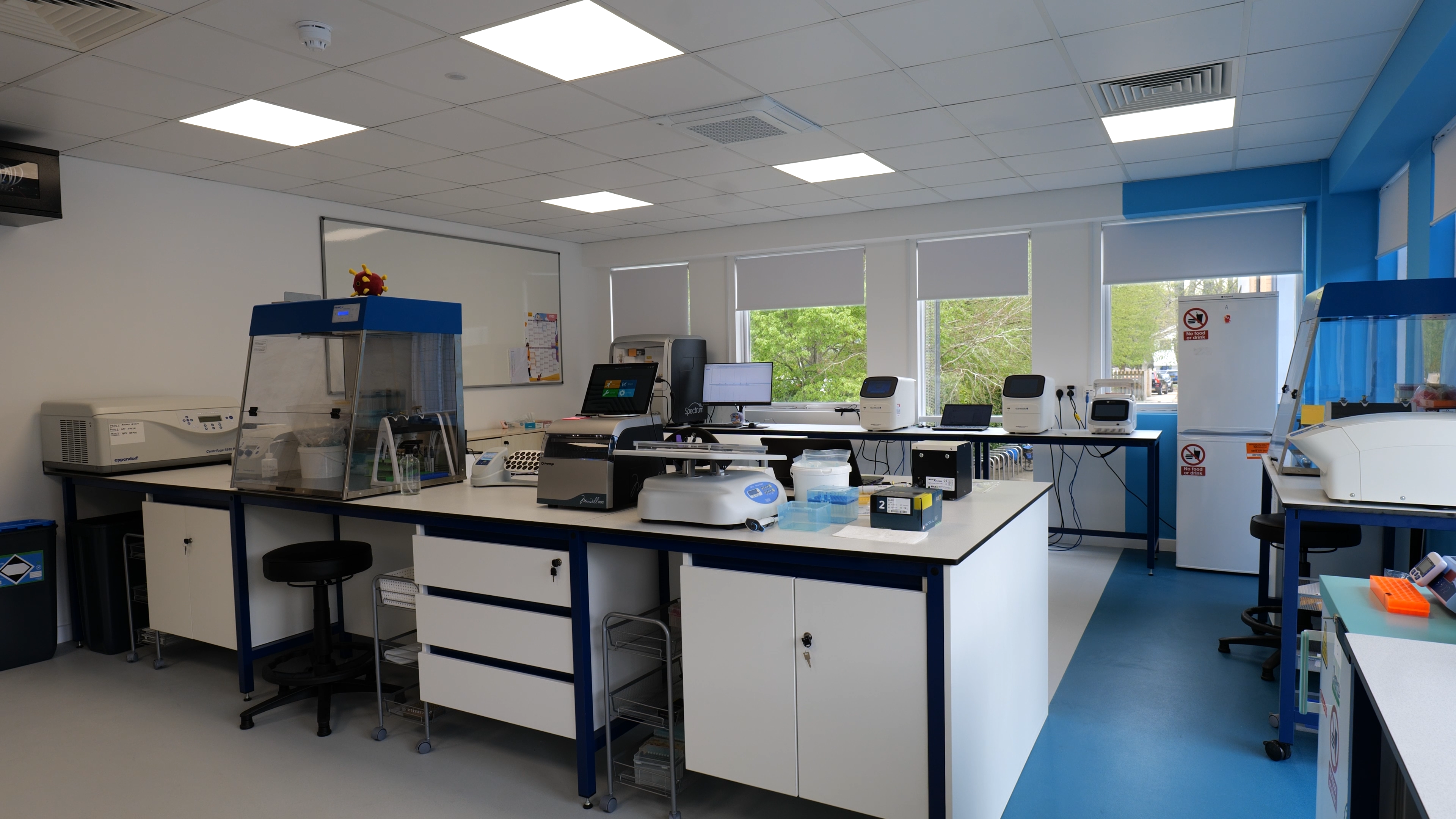
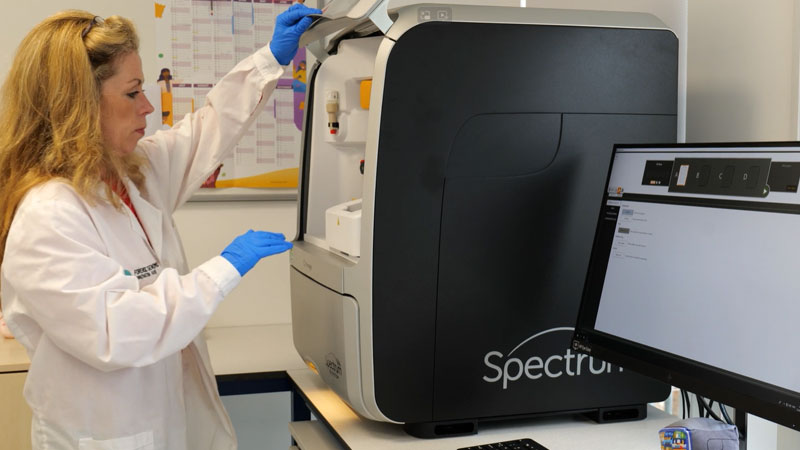
The workflow begins with receipt of maternal blood samples collected in Streck tubes, selected for their ability to stabilise circulating cell-free DNA (ccfDNA) during transit. Following centrifugation, 2–5ml of plasma is typically available. ccfDNA is extracted using the Maxwell® cfDNA Rapid kit, enabling efficient processing in under 30 minutes and allowing multiple runs per day when required.
DNA quantification is performed using the PowerQuant® system on a QuantStudio™ 5 instrument, enabling high-throughput amplification with appropriate controls in each run. The assay is used to detect very low levels of Y-chromosome DNA within a predominantly maternal DNA background. Its dual multi-copy Y targets enhance sensitivity — critical for early gestational samples.
Given the extremely low copy numbers involved, all results are manually reviewed. The team differentiates true amplification from artefacts or contamination using customised low-level standard curves, duplicate standards, internal positive controls, degradation markers and strict negative controls. Borderline or unexpected results are repeated. Clinical variables including gestational age, maternal BMI and scan dates are factored into interpretation, supported by a bespoke internal app.
2. What were the main technical challenges when setting up the workflow?
The primary challenge was reliable detection of very low levels of foetal (placental) DNA within excess maternal genomic DNA. Optimising ccfDNA yield while minimising genomic contamination was essential. Sensitivity, reproducibility and interpretation at the limits of detection required extensive internal validation and customised standards aligned to early gestational DNA fractions.
3. How do you ensure confidence in the result?
Confidence is driven by strict analytical thresholds, duplicate standards, multiple quality controls and manual review by experienced scientists. Only runs with a clear negative control are reported. Repeat testing of atypical amplifications distinguishes artefacts from true signal. Results are always communicated as screening outcomes, not diagnostic conclusions.
4. What practical considerations matter most?
Turnaround time, hands-on efficiency and workflow robustness are critical. Rapid extraction and high-throughput quantification enable same-day reporting without compromising quality. Ease of use and scalability support growing demand.
5. How has this workflow shaped your service offering?
By applying forensic sensitivity and accredited laboratory standards, the Hub delivers a scientifically rigorous alternative to many consumer-focused gender tests. The result is high analytical sensitivity, low repeat rates, clear scientific interpretation and direct access to experienced laboratory professionals ensuring a reliable, transparent and well-supported service.
To learn more about The Forensics Genomics Hub and their work, please visit www.FGIH.co.uk
Learn more about the PowerQuant system
Intended use of the products mentioned on this page may vary. For specific intended use statements, please refer to the product label.