Using Glucose Uptake-Glo™ and Lactate-Glo™ to investigate the interaction between small molecule drugs and glucose uptake transporters.
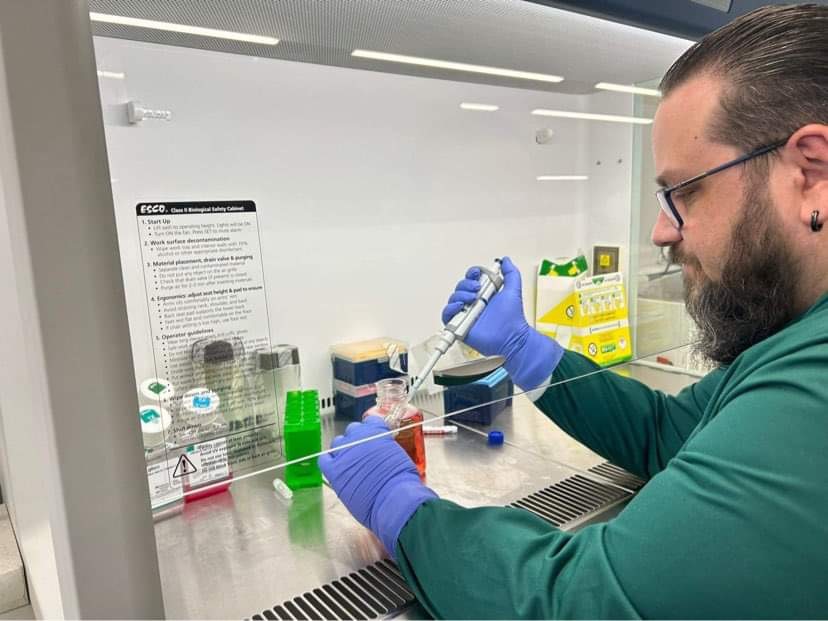
Professor Neill Liptrott’s research group focuses on understanding the concepts and mechanisms which underly the interface between novel therapies and the immune system, producing insights into the fundamental biology behind these therapies and supporting their translation into clinical use.
In this case study Luke Wingrave, an MRes student in Professor Liptrott’s lab, investigated niclosamide as a possible new therapy for autoimmune conditions, such as multiple sclerosis (MS). Luke used the immune cell line THP-1 to define the impact of niclosamide on various aspects of the cellular immune response, using well defined models of inflammasome activation, glucose uptake and bioenergetics to determine the interdependency of these responses.
Glucose Uptake-Glo™ and Lactate-Glo™ assays were chosen to study changes in cellular metabolism caused by niclosamide treatment. The assays use sensitive, luminescent protocols, suitable for use in 96 well plates and compatible with automation. Unlike many assays measuring the uptake of glucose, Glucose Uptake-Glo™ uses a non-radioactive protocol. Both assays have high sensitivity which enables accurate quantification of metabolic changes, for example with drug molecules such as niclosamide.
Download and read the full case study PDF here ™;
Learn more about Glucose Uptake-Glo™;
Explore the full range of metabolism assays here: