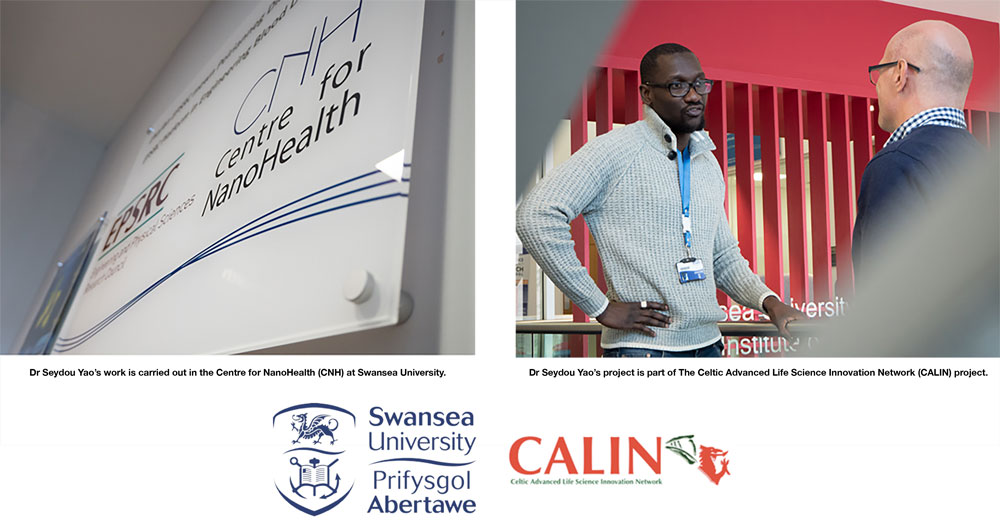
Dr Seydou Yao from Swansea University on the Development of Novel Therapeutics to Target Endometrial and Ovarian Tumours
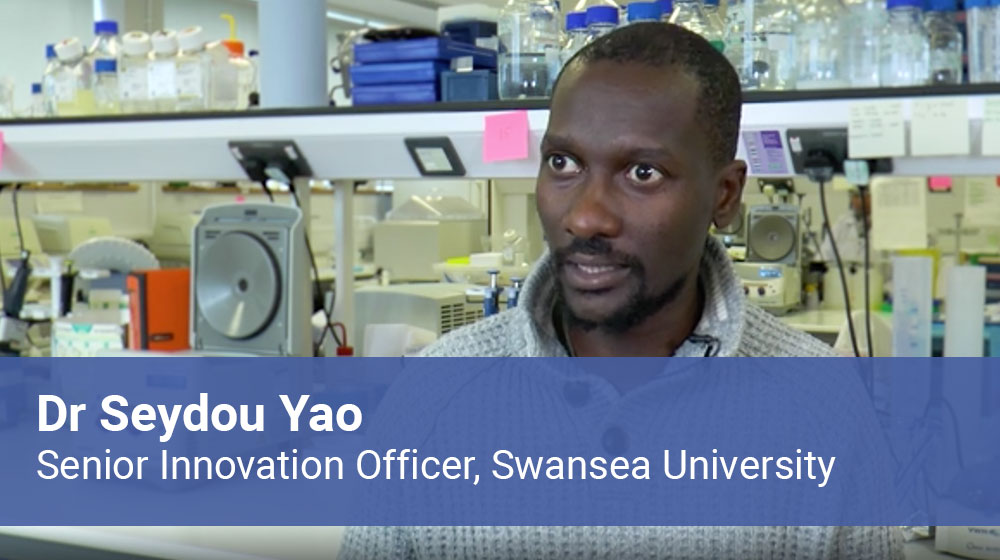
In this short video, Dr Seydou Yao, Senior Innovation Officer (Reproductive Biology and Gynaecological Oncology research group, Swansea University) talks about his research into developing and screening for novel compounds targeting gynaecological, endometrial and ovarian cancers.
To easily assess cell viability, Seydou uses RealTime-Glo™ MT Cell Viability Assay, which measures reducing potential of viable cells over time. By taking multiple measurements from the same well at different time-points, Seydou can easily determine the effect of different drug combinations on tumour cells in a single multiwell plate. Unlike other end point methods, RealTime-Glo Reagent is non-lytic, which enables viability assessment from the same sample for prolonged periods of time.
In addition to the viability studies, Seydou also investigates the effect of different compound treatments on cell death. By employing a real-time measurement of phosphatidylserine (PS) exposure and loss of membrane integrity (RealTime-Glo™ Annexin V Apoptosis and Necrosis Assay), Seydou can easily determine the mechanism of cell death and correlate the produced results with the viability readout.
The ultimate goal of Seydou’s research is to identify and profile compounds which effectively target cancerous cells before they enter the pre-clinical phase of drug discovery.
Seydou’s work is part of CALIN (Celtic Advanced Life Science Innovation Network), a €12million, four-year research project funded by the Wales-Ireland INTERREG programme aimed at creating innovation, jobs and growth in both countries. The aim is to combine expertise with access to emerging technologies and routes to market that will support businesses in the regions as they develop new life science products.
Learn more about RealTime-Glo™ MT Cell Viability Assay >
Learn more about RealTime-Glo™ Annexin V Apoptosis and Necrosis Assay >