Partnership Day
Discover Glo 2023 - Biologically Relevant Models to Advance your Research
Thursday 26 September 2024
Join Analytik Jena UK, Promega and fellow colleagues for our joint partnership day at I-Hub London, W12 0BZ.
Hear from guest speakers on the latest advancements in automating DNA and RNA extraction, Cell Viability, Metabolism Assays, Reporter Gene Assays and Promega's range of Bioassays.
There will also be dedicated time for networking with fellow researchers.
The event is free to attend but spaces are limited.


I-Hub
(Translation & Innovation Hub)
Imperial College White City Campus,
84 Wood Lane, London, W12 0BZ
Join Us!
On Thursday 26 September 2024, in partnership with Analytik Jena UK, we'll be hosting a day full of scientific talks, presentations and networking opportunities at I-Hub, London.
The event is open to delegates across the UK and has a limited capacity. Participation is free of charge and includes lunch and refreshments. We advise booking early to secure your free place.
How to Get There
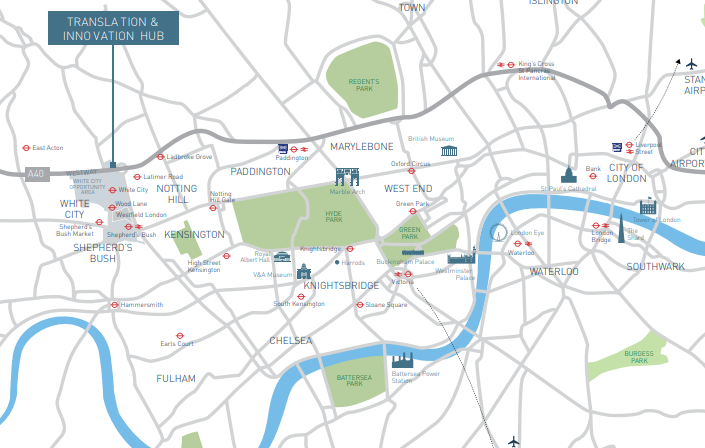
The Translation & Innovation Hub is located just a short walk from White City Underground station (Central Line) and a 5 minute walk from the Wood Lane Underground station (Circle and Hammersmith & City lines).
London Paddington is the nearest major railway hub and can be reached within 15 minutes from White City Campus.
Road connectivity from the site is excellent with the A40 passing through the White City Campus.
Address: I-Hub, Imperial College White City Campus, 84 Wood Lane, London, W12 0BZ
Speakers
Maxim. A.X. Tollenaere, PhD
Senior Scientist
Lundbeck A/S
RNAseq and qPCR are widely used technologies in academic, biotech, and pharma settings for quantifying RNA expression levels. While purified RNA is often preferred, the extraction process can be laborious, time-consuming and less suitable for high-throughput demands. To streamline our internal RNA-centric workflows and enhance efficiency, we automated our RNA extraction process by combining the capabilities of the CyBio FeliX and SimplyRNA chemistry from Promega, with the goal of creating an accessible RNA processing platform while at the same time improving quality, consistency, and throughput. In this talk, I’ll summarize our current workflow, including custom optimisations that we introduced, and discuss our future ambitions.
Maxim, a cellular and molecular biologist, holds a PhD in Molecular Mechanisms of Disease from the University of Copenhagen. His research has centered around signal transduction pathways related to cellular stress. After completing his postdoc at the Center of Healthy Aging in Copenhagen, Maxim transitioned to the pharmaceutical industry where he has worked within the fields of medical dermatology, and more recently neuroscience. Since 2019, he has used his expertise for drug discovery campaigns, target validation, and detailed mechanism of action studies on small molecules and biologics. Maxim is currently a senior scientist in the department of functional and cellular pharmacology at Lundbeck, a global pharmaceutical company specializing in brain diseases. Within this department, we support our project pipeline by inventing, designing, and developing fit-for purpose in vitro/ex vivo functional and cellular assays.
Carla Siniscalchi, PhD
Imperial College London
Gene drive systems have emerged as cutting-edge methods for controlling insect pest populations. Significant progress has been made in developing strategies to suppress target mosquito populations in laboratory settings effectively. However, it is imperative to develop robust methods for monitoring and assessing these genetic elements. It is crucial to assess their
long-term efficacy on a large scale, as the ultimate goal is to implement these technologies in the field. Our research has focused on developing high-throughput methods for automated DNA extraction and molecular characterisation of mosquito strains that can potentially be used for vector control.
Carla Siniscalchi began her career in genetic control of malaria-transmitting mosquitoes in 2012 when she started her PhD at Imperial College and the University of Perugia. During her studies, she developed molecular tools for developing gene drive systems in the fruit fly Drosophila and the malaria vector Anopheles gambiae. Carla and colleagues’ research results were published in prestigious scientific journals, generating extraordinary interest in the field. Currently, Carla Siniscalchi holds the role of Lab Operations Manager for the Crisanti Lab at Imperial College London. She is part of the R&D team of Target Malaria, a not-for-profit research consortium funded by the Bill and Melinda Gates Foundation. The consortium aims to develop and implement
cost-effective and sustainable genetic technologies to control Anopheles mosquitoes and reduce malaria transmission. It is currently actively working in Burkina Faso, Uganda and Ghana.
Cristina Guzman-Moumtzis
LabGenius
Utilisation of Promega's Dual-Glo® Luciferase Assay System to create a high throughput T Cell activation assay to screen ML optimised proteins.

Ashkenaz (Kenny) Richard
Next-Generation Sequencing (NGS) Laboratory Manager
Salient Bio
Developing and Standardising a Novel Next-Generation Sequencing (NGS) Oral Microbiome Test.
Research into the oral microbiome has exploded and we are increasingly understanding the role it plays in both oral and systemic health. However, there are several challenges associated with standardizing every step of analysis, from sampling, DNA extraction, library preparation, sequencing, and data processing. At Salient Bio we are investigating how each of these steps might affect analysis and ensuring we have the most precise, representative, and useful oral microbiome test available.
Laboratory manager and research scientist with over 10 years’ experience in the pharmaceutical industry, developing and delivering molecular biology assays for drug discovery and development. Particular focus on genomics, transcriptomics, immunology, and microbiome research.
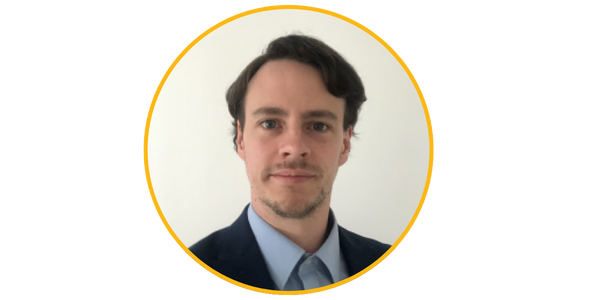
Christopher Hirst
Product Manager CyBio FeliX and Automation
Analytik Jena UK Ltd
a wide variety of lab processes from nucleic acid and protein purification through to cell culture and High Throughput screening assays. Here we will demonstrate the latest new modules for the FeliX – a plastic free, ultra-low volume pipetting module and independent channel heads ideal for cherry picking, normalisation and assay set up.
Chris Hirst is a Product Manager for Analytik Jena based in London.
In this role he leads the UK based application support team but also helps to guide and implement new features and innovations for AJ’s liquid handling and automation products. Prior to joining Analytik Jena, he earned a PhD in Synthetic Biology from Imperial College and worked at the Synthetic Biology Innovation and Knowledge Centre for Synthetic Biology (SynbiCITE).
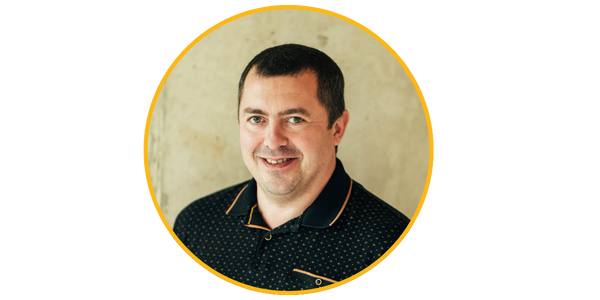
Rhys Cooper
Field Support Scientist Europe
Promega
Automation Insights From The Experts.
Join Promega and Analytik Jena as they reveal how we automate high throughput extractions and cellular assays. Discover how to avoid the common mistakes and pitfalls that can hinder your automation adoption. Learn about the ideal methodologies to design and validate your chemistries. Finally, explore additional ways to leverage liquid handling throughout your lab and fully realise the benefits of automation.
a variety of liquid handling platforms. He has multiple years experience developing and validating automated extraction and downstream processes on liquid handling platforms.
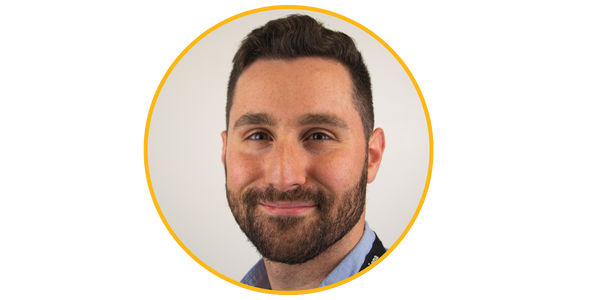
Sebastien Lambertucci
Senior Applications and Marketing Specialist
Analytik Jena UK Ltd
Automation Insights From The Experts.
a special focus on proteomics. Since 2021, he has focused on automating protein and nucleic acid extraction as part of Analytik Jena's Team. This includes developing cutting edge assays to overhaul manual process and improve their throughput.
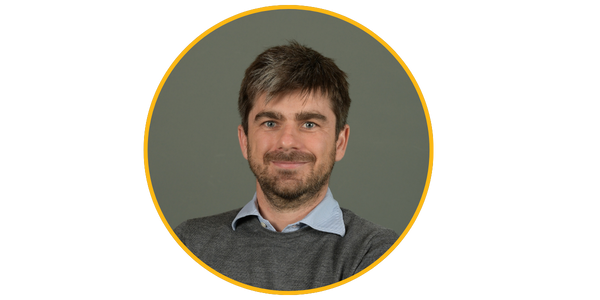
Nans Bodet
Running the Promega Antibody Dependent Cell-mediated Cytotoxicity (ADCC) Bioassay on
a Analytik Jena FeliX Platform.
a reliable alternative to traditional cytotoxic ADCC assays, ideal for low variability and high reproducibility needs. Here we present application data demonstrating the utilisation of Promega's ADCC assay on an Analytik Jena Felix platform to move the assay into a high throughput environment.
Nick Pelton
Scientist II
Quell Therapeutics
Automating gDNA Extraction from Transduced Cells Using the Promega One4All Kit and CyBio FeliX Liquid Handler.
Agenda
| 8:30 | Networking/ Registration |
|---|---|
| 9:00 | Debra Conway | Analytik Jena UK & Philip Hargreaves | Promega UK Welcome Address. |
| 9:10 |
Maxim A.S. Tollenaere | Lundbeck Automated Extraction of RNA from 96-well plates using the CyBio FeliX and Promega Chemistry. |
| 9:55 |
Nans Bodet | Promega Running the Promega Antibody Dependent Cell-mediated Cytotoxicity (ADCC) Bioassay on a Analytik Jena FeliX Platform: |
| 10.40 | Coffee |
| 11:00 | Carla Siniscalchi | Imperial College London Developing High-Throughput Molecular Methods for Assessing Genetically Modified Mosquitoes. |
| 11:45 |
Christopher Hirst | Analytik Jena UK Pushing the Boundaries: New Innovations for FeliX. |
| 12:00 | Lunch/ Networking |
| 13:00 |
Rhys Cooper | Promega UK & Sebastien Lambertucci | Analytik Jena UK Automation Insights from the Experts. |
| 13:45 |
Cristina Guzman-Moumtzis | Lab Genius Development of a High Throughput T-Cell Activation Assay for Machine Learning-driven Optimisation of Tumour-targeting T-Cell Engagers. |
| 14:30 |
Tea/ Networking |
| 15:00 |
Nick Pelton | Quell Therapeutics Automating gDNA Extraction from Transduced Cells Using the Promega One4All Kit and CyBio FeliX Liquid Handler. |
| 15:45 | Ashkenaz (Kenny) Richard | Salient Bio Developing and Standardising a Novel Next-Generation Sequencing (NGS) Oral Microbiome Test. |
| 16:30 | Close |