Biologics Symposium 2026
A Decade of Discovery, Advancing Biotherapeutics Together
Discover Glo 2023 - Biologically Relevant Models to Advance your Research
Thursday 5 November 2026
Join Promega for our 10th Biologics Symposium, welcoming industry experts and academics from across the fields of antibody therapeutics, cell and gene therapies for this free to attend, one day, event.
Thursday 5 November 2026
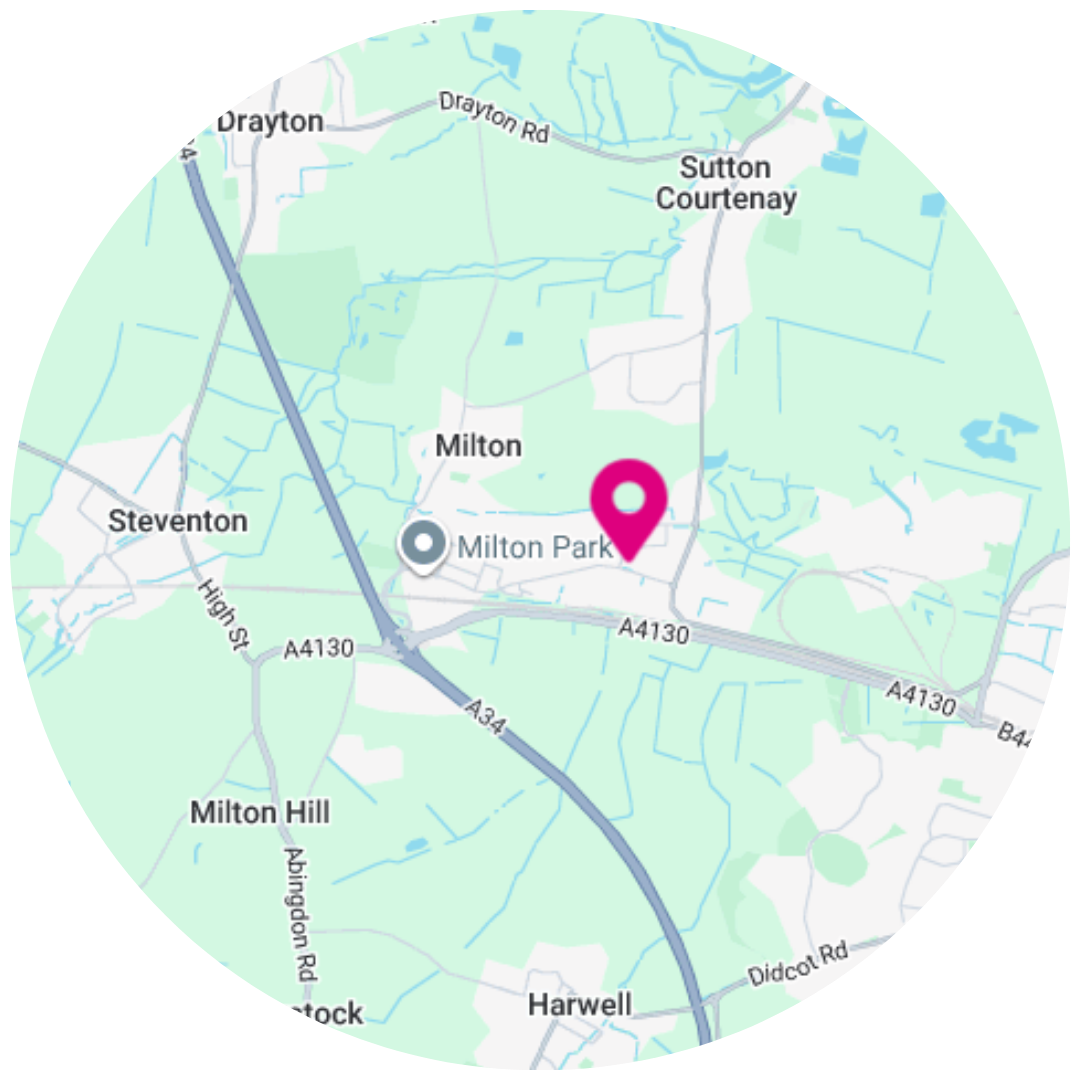
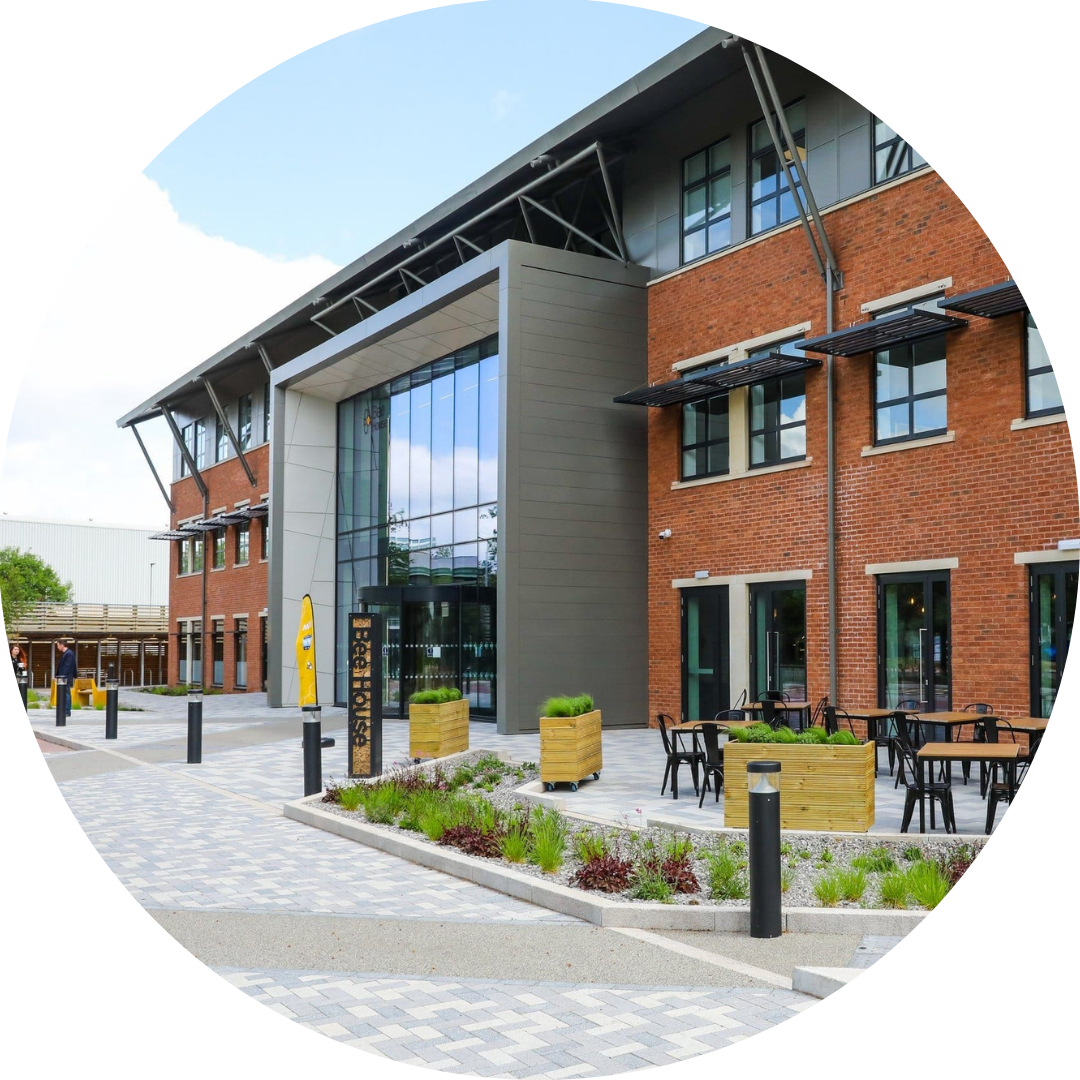
Bee House, 140 Eastern Avenue,
Milton Park, Oxfordshire, OX14 4SB
Join Us!
The Biologics Symposium is fully sponsored by Promega. This one-day event is open to scientists, researchers and thought leaders from across the UK and Ireland. Capacity is limited so please register to secure your free place.
Speakers
This year we have eight confirmed industry and academic presentations, including a new Industry Partners session from Marks & Clerk LLP and US Pharmacopeia.
There will be an update from Immunocore, ImmunoKey, Maxion Therapeutics and Labcorp sharing their latest findings and innovations in the fields of antibody therapeutics, cell and gene therapies. Finishing off the line-up will be academic representatives from University College Dublin and University of Cambridge.
Promega will also be giving an update on our latest tools designed for scientists in these areas. In addition to the talks, there will be a networking lunch and poster session with time to meet the speakers and Promega technical specialists.
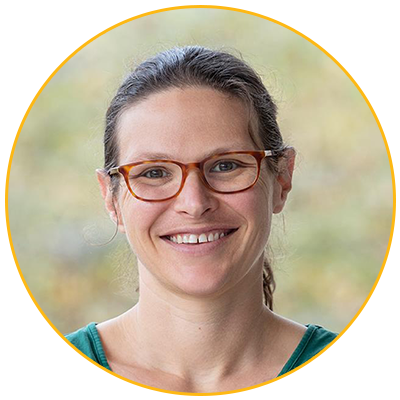
Julia Gilden
Senior Research Scientist II
Promega Corporation
Over the past 10 years, she has created reporter bioassays for immune checkpoint biologics, led the design of primary cell ADCC, TDCC, and ADCP assays using the HiBiT Target Cell Killing platform, and built applications tailored to cell therapy and ADC developers. Her current work centers on the Lumit™ XDC binding assay platform.
Julia received her PhD in Biomedical Sciences with a focus in immunology from the University of California, San Francisco, and completed postdoctoral training in cell biology and parasitology at the University of Wisconsin Madison.
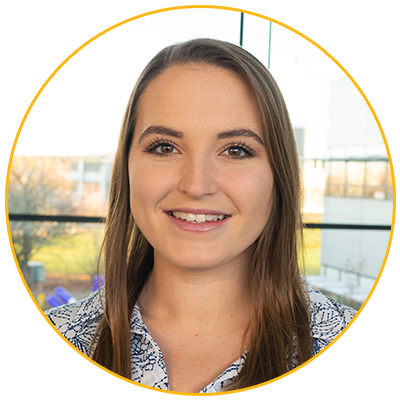
Bethan Archer
Associate Director
Immunocore
With extensive expertise in laboratory automation and screening technologies, her background spans the design and execution of robust biochemical and cell-based assays to support diverse modalities, from peptide therapeutics to complex multispecific antibodies.
Prior to joining Immunocore, Bethan worked within the Biologics Engineering team at AstraZeneca and the high-throughput screening team at Crescendo Biologics. Throughout her career, she has focused on leveraging automated workflows and assay miniaturisation to streamline screening cascades and advance novel biologics through early discovery pipelines.

Dr Roona Deb
Patent Attorney
Marks & Clerk LLP
Roona holds a first-class integrated Master's degree in Biochemistry and a doctorate in Immunology from the University of Oxford. Her strong academic background enables her to work at the forefront of complex scientific developments and translate scientific innovation into robust, commercially effective patent protection.
Her practice encompasses all aspects of patent work, including drafting and prosecuting patent applications, portfolio strategy and management, patent landscape analysis, and advising on infringement and validity matters. She represents clients before the UK Intellectual Property Office and the European Patent Office and has extensive experience in Examination and Opposition Oral Proceedings before the European Patent Office.
Roona's technical expertise spans a broad range of life sciences disciplines, with particular experience in immunotherapy, including antibody technologies, peptide vaccines, and other immune-based therapeutics, animal health, nutraceuticals, diagnostics, food science, and recombinant DNA technology. She has also advised clients in environmental and industrial technologies, including water treatment, reflecting the breadth of her practice.
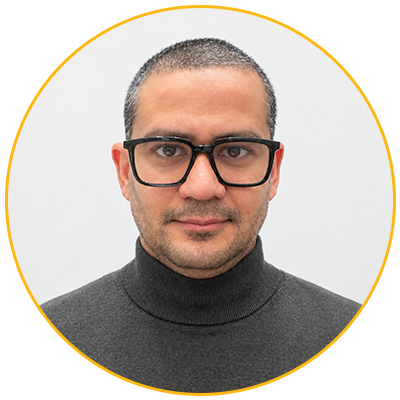
Nikhil Rautela
Senior Strategic Customer Development Manager
USP
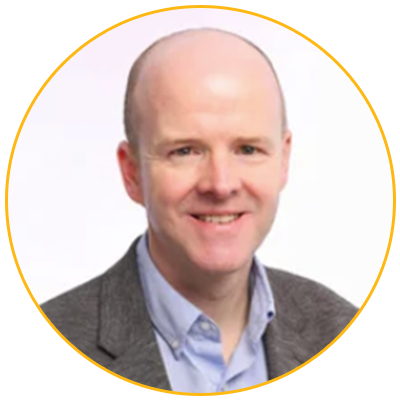
John Bridgeman, PhD
Chief Scientific Officer
ImmunoKey Ltd
With a PhD from the University of Manchester and further training at Cardiff University, John has a deep understanding of chimeric antigen receptor (CAR) biology. Over his career, John established and led the R&D team, developing novel gene engineering strategies, managing IP portfolios, and driving projects from concept to clinical execution. He has made significant strides in advancing cell-based therapies, with a proven track record in patent filings, generating novel concepts, and progressing them through to phase 1 clinical trials.
Passionate about scientific discovery, John thrives on translating research into real-world therapeutic solutions. With a strong track record in securing funding, leading teams, and fostering collaborations, John is committed to advancing T-cell therapies and shaping the future of immuno-oncology.
CARKey™ separates T-cell activation across two complementary receptors. Key 1 recognises multiple tumour-associated antigens and delivers the primary activation signal, whereas Key 2 provides the additional signal required for a full T-cell activity. This two-key design is intended to maintain activity across heterogeneous tumour cell populations while reducing activation against healthy tissues that carry only part of the required antigen pattern.
CARKey™ also incorporates the Revi-T element, allowing Key 2 to be controlled through the addition of a checkpoint blockade antibody. This can bypass the requirement for the Key 2 antigen target and enhance CARKey™ T-cell proliferation and cytokine secretion whilst synergising with standard checkpoint blockade activity to overcome tumour microenvironment suppression.
Candidate antigen combinations and CARKey™ designs were evaluated in ovarian cancer models and compared with conventional single-target CARs. The lead candidate retained the intended two-key mechanism, with its strongest proliferation and anti-tumour activity observed when both Key 1 and Key 2 were engaged. CARKey™ also showed improved logic-gated activity and stronger functional responses across tumour cell lines and patient-derived ovarian ascites samples.
These findings support CARKey™ as a versatile and controllable platform with the potential to address antigen heterogeneity in solid tumours while reducing toxicity risk. Further in vivo evaluation and preclinical development are under way to advance CARKey™ towards clinical assessment in ovarian cancer.

Mark Bushell
Director of Technology
Maxion Therapeutics
Dr Mark Bushell, Director of Technology at Maxion Therapeutics, and his team are developing the next generation of Maxion’s proprietary KnotBody platform to unlock the potential of these novel biologics to target ion channels and other integral membrane proteins.
Mark has over 15 years’ experience in biologics drug discovery, with a particular focus on platform and process improvement. His work has included developing rapid, high-throughput methods that allows antibody generation and screening in days rather than weeks. In recent roles at Antiverse and Agenus he has used these tools to explore the interface between computational design and high throughput screening to accelerate the discovery and development of novel biologics.

Charlotte Hornby-Whincup
QC Scientist
Labcorp Early Development Labs Ltd
Recently, Charlotte completed a MSc in Biopharmaceutical Development in partnership with Labcorp and the University of Leeds where the final project focused on optimizing Promega's Ramos HiBiT TCK assay for measuring potency of a BiTE which is the subject of her presentation.

Yan Yan
Associate Professor
University College Dublin
Her research pioneers understanding of how cells recognise, process and respond to complex nanoscale structures. Combining molecular and cell biology with nanotechnology, advanced imaging and proteomics, her group investigates nanoscale biological identity, intracellular trafficking and fate.
Recent work has focused on corona-condensate nanoparticle complexes and on developing molecular tools to follow endosomal escape, intracellular distribution and the local molecular environments encountered by delivered biomolecules. Her recent publications include work in Nature Materials, Nano Letters, PNAS Nexus and ACS Nano.
Yan received her PhD from Peking University and established her independent research programme at the University of Melbourne through an Australian Research Council DECRA Fellowship. She subsequently moved to University College Dublin where her research has been supported by Research Ireland and Science Foundation Ireland. She has received several prestigious awards, including First Prize in the 2017 Interstellar Initiative organised by the New York Academy of Sciences, and the Australian Museum Eureka Prize for Excellence in Interdisciplinary Scientific Research in 2013.

Camilla Ascanelli
Research Associate
Gurdon Institute, Department of Pharmacology
Dr. Camilla Ascanelli is a Postdoctoral Research Associate at the University of Cambridge.
Building on her PhD in live-cell imaging assay development for protein stability, her postdoctoral work in the Wilson lab moved into mRNA therapeutics. By merging these two domains, she helped develop a HiBiT-based live translation assay, which the lab uses to optimise modRNA treatments for cardiac regeneration. Her research also encompasses bioPROTAC degrader platforms targeting c-Myc.
Agenda
| 09:00 | Registration and Coffee |
|---|---|
| 09:30 | Dr Hilary Pollard | Promega UK: Welcome Address |
| 09:40 |
Julia Gilden | Promega Corporation |
| 10:20 |
Bethan Archer | Immunocore: Beyond the Surface: A Next-Generation High-Throughput Assay for Internalisation |
| 10:40 | Tea, Coffee and Refreshments |
| 11:10 |
Dr Roona Deb | Marks & Clerk LLP: From Discovery to Defensible Asset: Building Patentable Value in Biologics R&D Nikhil Rautela | US Pharmacopeia: USP standards and solutions for analytical characterization of mAbs and Gene Therapy products |
| 12:35 |
Lunch and Networking |
| 13:50 | John Bridgeman PhD | ImmunoKey Ltd: Overcoming Antigen Heterogeneity In Solid Cancer Using CARKey Technology |
| 14:20 |
Mark Bushell | Maxion Therapeutics: KnotBody® molecules: Chimeric fusions of knottins in antibody CDR loops for modulating GPCR and ion channel function |
| 14:50 |
Charlotte Hornby-Whincup | Labcorp Early Development Labs Ltd: Development of Ramos HiBiT TCK Assay for Regulated Use to Measure Potency of BiTE |
| 15:20 |
Coffee, Tea and Posters |
| 15:50 |
Yan Yan | University College Dublin: Local Proteomes at Endosomal Escape: NanoLuc Tools for Investigating Nano-Bio Interactions-and Beyond |
| 16:20 | Camilla Ascanelli | University of Cambridge: Harnessing HiBit technology for a flexible, high-throughput system for in vitro and in cellulo live mRNA translational kinetics |
| 16.50 | Dr Hilary Pollard | Promega UK: Closing Remarks |
| 17:00 | Event Close |
Directions
CAR
Bee House is located just off the A34 in Milton Park, Abingdon. Postcode for SatNav is OX14 4SB. Free parking is available on site for event visitors.
TRAIN
Didcot Parkway railway station is 2.5 miles to the west of Milton Park with fast trains to London Paddington (taking 35 minutes), Reading (15 minutes) and Oxford (15 minutes). Buses connect the station to Milton Park every seven minutes during peak times, with less frequent services at other times. Please ask for the Milton Park bus stop (Stop R1) when you arrive at Didcot Parkway.
PLANE
London Heathrow airport is only 50 miles from Milton Park, accessible by road or train. Other nearby airports include London Gatwick (90 miles), London Luton (75 miles), and Southampton (55 miles).