Biologics Symposium 2025
Discover Glo 2023 - Biologically Relevant Models to Advance your Research
Thursday 6 November 2025
Join the Promega team and fellow research scientists for our 9th Biologics Symposium. This popular annual event focuses on the latest findings and innovations in the field of biotherapeutics.
Join Us!
Hear our guest speakers and Promega R&D discuss some of the latest research into monoclonal antibody and Antibody-Drug Conjugate (ADC) therapies, as well as methods for measuring cell death and studying immunotoxicology. There will also be dedicated time for networking with fellow researchers in the biologics field.
The Biologics Symposium is fully sponsored by Promega. The event is open to delegates across the UK and Ireland and has a limited capacity. Participation is free of charge and includes lunch, coffee, and refreshments. We advise booking early to secure your free place.
Thursday 6 November, 2025
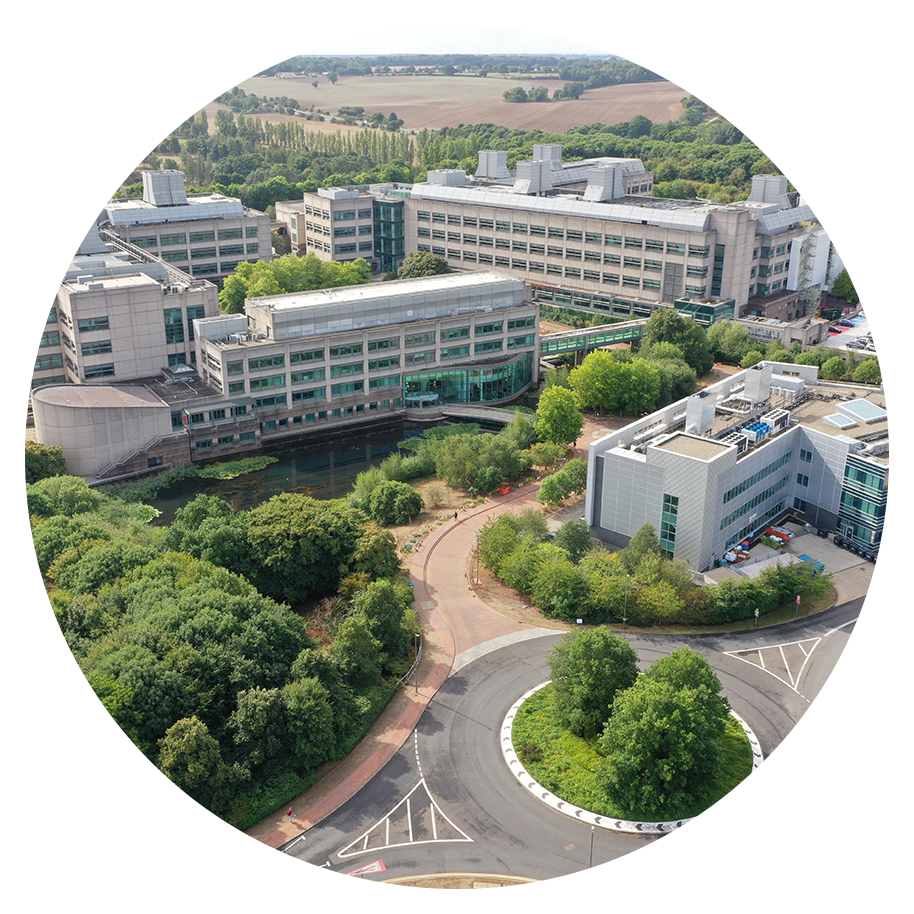
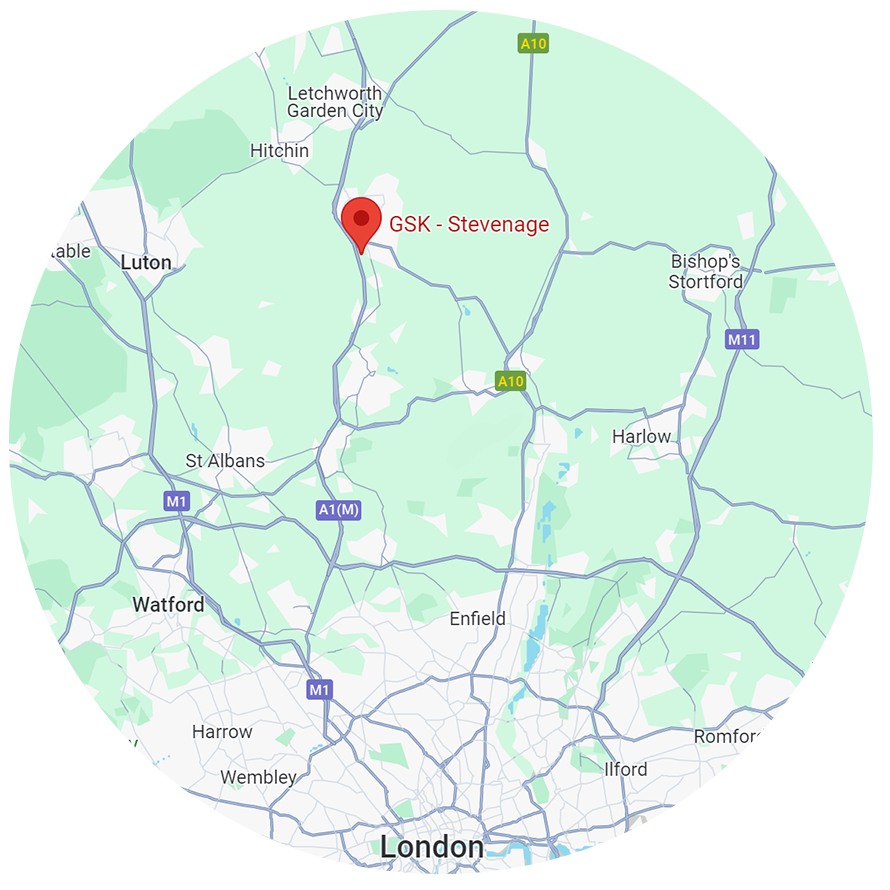
GSK, Gunnels Wood Road, Stevenage, SG1 2NY
09:30 - 17:00 GMT
Speakers

Brad Swanson
Promega Corporation
Brad Swanson is a Strategic Collaborations Manager at Promega Corporation, bringing with him over 30 years of experience in the fields of Cellular and Molecular Biology, Stem Cell Biology, and Immunology. Brad works with the R&D and business teams to connect scientists with Promega products, technologies, and services with an emphasis on Promega’s cellular Drug Discovery products for large and small molecule drug discovery.
Prior to joining Promega, Brad was Vice President, Life Science R&D and Strategic R&D Programs at Cellular Dynamics International (CDI), where he led the life science R&D operations from start-up through IPO and eventual acquisition by Fujifilm. He also managed multiple preclinical programs for the therapeutic use of iPSC-derived cells, including ocular, cardiac, and neurological cell therapies. Before CDI, Brad was a Senior Scientist at both Roche-Nimblegen and at Promega.
Brad performed his postdoctoral research in the laboratory of Phillipa Marrack at the National Jewish Medical and Research Center as a Howard Hughes Medical Institute postdoctoral research fellow. This work focused on understanding the molecular events regulating memory T cell homing and differentiation during an immune response. Brad received his PhD in Cellular and Molecular Biology from the University of Wisconsin.
This presentation highlights Promega’s comprehensive assay portfolio for functional characterization of antibody-based therapeutics. Topics include Fc effector function analysis (ADCC, ADCP, CDC), checkpoint and co-regulatory pathway assessment, and T cell activation assays for bispecifics. We’ll cover primary cell bioassays using the HiBiT TCK platform, quantitative Fc receptor binding with Lumit® assays, and rapid monoclonal antibody quantitation. Additionally, we’ll explore functional assays for ADCs—including viability, internalization, and bystander killing—designed to support decision-making from early discovery through development.
Andrew Brown
Principal Bioassay Scientist
Piramal Healthcare UK
Bioassay Testing
This presentation will give an overview of linear and non -linear models to fit bioassay data, the process for curve fitting and ways to suitably determine and demonstrate if transformation is appropriate.
Andrew's role involves development and transfer of biological based assays from early phase through to late phase validation studies. Outside of work he enjoys running, swimming, hiking and golf.

Megan McFadzean
Bioassay Team Manager
Piramal Healthcare UK
Non-cytotoxic ADC
This presentation will discuss potential approaches for the development of a cell-based relative potency assay for non-cytotoxic payload ADCs (Antibody Drug Conjugates), with the intention of phase-appropriate validation.
Megan is the Bioassay Team Manager at Piramal Pharma Solutions, Grangemouth. Her team is dedicated to the development and validation of relative potency bioassays for ADCs required for release testing and the subsequent quality control testing execution. Megan graduated from University of Stirling in 2019 with First Class Honours in Cell Biology. Her post-graduate experience has been in the GMP environment, specialising in immunological characterisation and relative potency testing of biologics.
James Robinson
University of Leeds
Fc gamma receptors (FcγRs) connect IgG antibodies to immune effector functions. In autoimmunity, IgG can be both pathogenic (autoantibodies) and medicinal (therapeutic mAbs). A greater understanding of FcγR biology could inform the optimisation of biologic design and personalisation of therapy.
This talk will describe research revealing functional complexity of purified and cellular FcγRIIa and FcγRIIIa interactions beyond common polymorphisms. Autoimmune disease genetic associations combined with transcriptomics, biophysics and cellular reporter assays provide insights into the diversity of effector function response. An example of the impact of biological variation on B cell depletion therapy will be presented. Implications for the design of bioassays will also be discussed.
Jim is a Senior Research Fellow at the Leeds Institute of Cardiovascular and Metabolic Medicine. He holds a BSc in Environmental Biology and an MSc in Biotechnology. His first role saw him wading through ponds at night to survey newt populations and identify the pathogenic fungi responsible for killing their eggs. After several years in a genetic diagnostics startup, he moved to Leeds to pursue a PhD (awarded in 2010) on the genetics of Fc gamma receptors. Since then, his research has focused on defining their role in autoimmune disease pathogenesis, their influence on therapeutic responses to biologics, and their potential as therapeutic targets in their own right.

Kate Getliffe
Lonza
A common mechanism of action (MoA) for cancer targeting bispecific molecules is T cell-dependent cellular cytotoxicity (TDCC). In this process, the bispecific molecule binds a receptor on a tumour cell and one on a T-cell, thus forming an immune synapse and allowing the T-cell to kill the tumour cell. Potency assays fully reflective of this MoA require the use of co-culture systems involving target (tumour) and effector (immune) cells, where measuring the death of the target cell poses particular technical challenges.
One way to overcome these challenges is to use an impedence analyser or Real-Time Cell-Analysis (RTCA) instrument. In this approach, target cells are either adhered or tethered to an electrode where their presence impedes electron flow. As the immune synapse forms and the bound cells are killed by the molecule and effector cells, the target cells dissociate from the electrode and the reduction in impedence is detected without being compounded by the presence of an additonal cell line. The real-time nature of the measurements achievable with this system also greatly facilitates assay development, since kinetic and timepoint data equivalent to that produced by multiple endpoint assays can be generated in a single run.
In the study to be described, seven co-culture potency assays were generated using example molecules targeting both hematological and solid tumours. These real-time cell-based assays utilized commercially available suspension or adherent target cell lines, as appropriate for each example molecule, and TDCC Qualified CD8+ T-Cells as effector cells. A workflow was optimised to establish the assays, which involved selecting appropriate target cell densities, molecule concentrations, Target:Effector cell ratios, timepoints and data analysis methods. Finally, the precision, specificity, linearity and accuracy of each of the example assays were assessed; all generated data of QC quality and six assays passed all success criteria. These assays have the potential to be validated as QC potency assays, but present challenges around data handling and data analysis in a GMP environment. Because of this, assays developed for new targets using this workflow may be best suited as MoA indicating characterisation assays, forming the foundation of a bioassay matrix for quantifying the potency of TDCC initiating bispecific molecules.
I am a Principal Scientist in the R&D Analytical Team at Lonza Integrated Biolgics, based in Slough. I have been at Lonza for almost two years working on workflows and approaches for cell-based assay development. The bulk of my previous experience has come from roles in CMC departments of small to medium Biotech companies, developing ELISA and cell-based potency assays for product release, formulation development, process development and stability testing. I have also worked in Contract Research Organisations and Large Pharma companies (e.g., Astrazeneca and Medimmune), developing clinical bioassays and other analytical methods, and academic institutions, where the main focus of my work was on telomeres, inflammatory disease and cancer cell biology. I hold a PhD in Cell Biology from the University of Manchester where my research subject was wound healing and tissue remodelling.

Yue Liu
Queen Mary University of London
Dementia poses an escalating global health burden, yet its underlying mechanisms remain incompletely understood. In this large-scale, targeted metabolomic study of UK Biobank participants, we applied machine learning models to 327 metabolite and lipid particle measures to identify metabolomic signatures predictive of incident all-cause dementia (ACD), Alzheimer’s disease (AD), and vascular dementia (VaD), beyond conventional risk factors.
Metabolites within these signatures, including the linoleic acid to total fatty acids percentage (LA_pct), glutamine, branched-chain amino acids (BCAAs), low-density lipoprotein (LDL) size, small LDL phospholipids percentage (S_LDL_PL_pct) exhibited widespread associations with dementia outcomes and with neuroimaging markers, including brain atrophy and white matter hyperintensities (WMHs). Many of these key metabolites were associated with plasma neurofilament light chain (NfL) and glial fibrillary acidic protein (GFAP), and most were validated in an independent external cohort. Mediation analyses highlighted several metabolites mediating the effects of modifiable risk factors—such as obesity, diabetes, hypertension, and education—on dementia risk, with the strongest mediating effects observed for LA_pct in the association between obesity and both ACD and VaD.
Mendelian randomization (MR) analyses supported a causal role for several metabolites in AD, with glutamine emerging as the strongest candidate. Statistical colocalisation and expression quantitative trait loci (eQTL) integration revealed shared genetic loci between glutamine, SPRY domain-containing protein 4 (SPRYD4) gene expression levels and AD, and between LA_pct, fatty acid desaturase 1 (FADS1) gene expression levels and WMHs related brain atrophy (WMHs_atrophy). Mediation MR further highlighted potentially causal mediating roles for these metabolites in the association of gene expression and outcomes. Finally, multivariable MR (MVMR) indicated that glutamine partially mediates the causal relationship between educational attainment and AD.
Overall, most MR associations aligned with neuroimaging-based associations, allowing triangulation of evidence and strengthening causal inference. These findings highlight blood metabolites as promising biomarkers for early dementia detection and suggest mechanistic links between modifiable lifestyle factors, metabolic dysfunction, and neurodegeneration, offering potential avenues for targeted prevention in at-risk populations.

Abhinav Mathur
Aberdeen University
from Bench to Bedside
While the " antibody revolution", delivering biologics and CAR-T cell therapies, has created unprecedented success in diseases like relapsed High Grade B-Cell Lymphoma, these clinical triumphs belie a profound translational crisis. An estimated 90% of preclinical research projects fail before reaching human trials, with the development cost for a single approved drug now soaring. This high failure rate stems from both scientific and systemic challenges. Scientifically, preclinical models, particularly cell lines, are often unrepresentative, lacking the genetic diversity and complex tumor microenvironment that drive real-world outcomes. Furthermore, critical in vivo toxicities, such as the cytokine release syndrome seen with CAR-T cells, are frequently not predicted by standard in vitro assays. Systemically, these issues are compounded by a lack of reproducibility, flawed clinical trial design, and regulatory inefficiencies. To bridge this bench-to-bedside divide, the path forward requires a multi-faceted approach. This strategy must begin with embracing the inherent biological complexity of disease through more precise classification based on genomic and proteomic profiles. It also necessitates developing more predictive assays and biomarkers to better anticipate human responses, ensuring transparency and reproducibility across all research stages, and fundamentally improving the design and execution of clinical trials.
Mahendra Deonarain
Chief Executive and Science Officer
Antikor Biopharma Ltd
The Intersection of Recombinant Antibody Fragment Engineering and Linker-Payload Design to Produce Next-Generation ADCs
Antibody Fragment Drug Conjugates (FDCs), a new product class tailored for solid tumours promise many advantages over ADCs including rapid tumour penetration and faster systemic clearance. However, these have been technologically-challenging to apply in oncology. Our novel approach enables high-Drug:Antibody Ratios (DARs) whilst retaining effective binding and other favourable biophysical properties. To achieve this, single-chain Fv antibody biophysical engineering must be considered in context with complex linker-payload chemistry. These critical features will be exemplified with our lead product, ANT-045 a cMET-targeted FDC addressing a wide range of solid tumours. ANT-045 demonstrates superior tumour cure efficacy in a range of xenograft models and better tolerability compared to the leading competitor ADC in non-human primate studies, making this a viable alternative to conventional ADCs.
Dr Deonarain studied at Imperial College and Cambridge University where he carried out PhD research into protein engineering. From 1997-2011 Dr Deonarain was a Principle Investigator at Imperial College in Antibody Technology, which led to some novel technologies being developed commercially. Dr Deonarain now retains honorary links. He has published over 80 papers and patents in protein/antibody engineering/conjugates. In 2014, he co-founded Antikor Biopharma where he is the CSO leading a team of 15 to develop the next-generation of antibody-fragment based ADCs. Dr Deonarain is also Antikor’s CEO, driving the commercial development of Antikor’s OptiLink platform to develop FDC products for therapeutic applications.
Directions
CAR: GSK Stevenage is located just one minute from Junction 7 of the A1(M) by car. Postcode for SatNav is SG1 2FX.
TRAIN: Stevenage station is 30 minutes from Kings Cross, and 45 minutes from Cambridge, by Train. GSK runs a free shuttle from Stevenage station to site every 15 minutes with the last service at 9.45am. The pick-up location is by the bike racks and Amazon locker - keep an eye out for the brown buses operated by Richmonds. Site visitors are eligible to travel on this shuttle by showing their registration email to the driver. You will be dropped off at the security lodge, where you can pick up your visitor badge.
PLANE: Stevenage is located 25 minutes away from London Luton airport and 40 minutes from London Stanstead airport.
Agenda
| 9:30 | Registration & Coffee |
|---|---|
| 10:00 | Hilary Pollard | Promega UK Welcome Address. |
| 10:10 |
Brad Swanson | Promega Corporation Empowering Biologics Discovery: Next-Gen Functional and Potency Assays for Immunotherapy and Beyond. |
| 10:50 |
Abhinav Mathur | Aberdeen University SA Clinician's Perspective on Immunotherapy: from Bench to Bedside. |
| 11:30 | Coffee |
| 12:00 | James Robinson | University of Leeds FC Gamma Receptors as Mediators of Autoimmunity and Therapeutic Response. |
| 12:40 |
Lunch & Networking |
| 13:45 | Mahendra Deonarain | Antikor The Intersection of Recombinant Antibody Fragment Engineering and Linker-Payload Design to Product Next-Generation ADCs. |
| 14:25 |
Megan McFadzean | Piramal Healthcare UK Cell-based Potency Assay for a Non-cytotoxic ADC. |
| 14:45 |
Andrew Brown | Piramal Healthcare UK Transformation of Data in Bioassay Testing. |
| 15:05 |
Coffee, Tea & Posters |
| 15:35 |
Kate Getliffe | Lonza Integrated Biologics Real-Time Cell-based Assays for Bi-specific Molecules, using CD8+ TDCC Qualified T-Cells as Effector Cells. |
| 16:15 | Yue Liu | Queen Mary University of London Circulating Metabolites are Linked to Dementia and Brain Imaging Phenotypes, and Mediate Modifiable Risk Pathways. |
| 16.55 | Hilary Pollard | Promega UK Closing Remarks |
| 17:00 | Event Close |