Biologics Symposium 2024
Discover Glo 2023 - Biologically Relevant Models to Advance your Research
Thursday 14 November 2024
Join the Promega team and fellow research scientists for our 8th Biologics Symposium.
This popular annual event focuses on the latest findings and innovations in the field of biotherapeutics. Hear our guest speakers and Promega R&D discuss some of the latest research into monoclonal antibody and Antibody-Drug Conjugate (ADC) therapies, as well as methods for measuring cell death and studying immunotoxicology.
There will also be dedicated time for networking with fellow researchers in the biologics field. The event is free to attend.
Thursday 14 November 2024
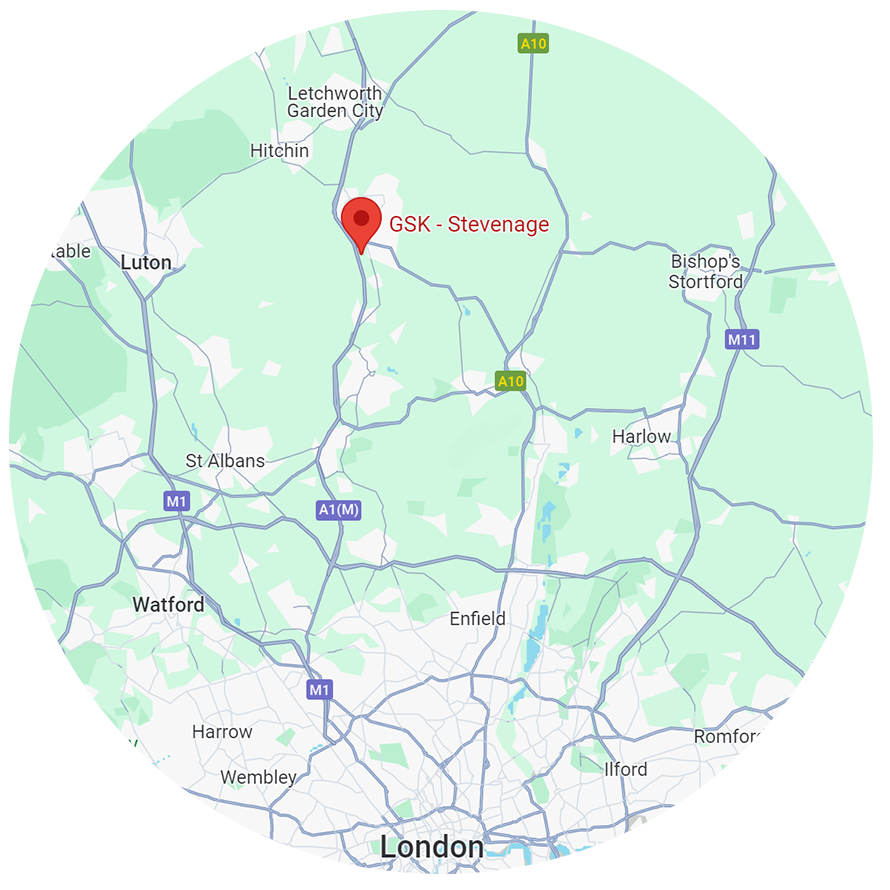
GSK, Gunnels Wood Road, Stevenage, SG1 2NY
09:30 - 17:00 GMT
This year's Biologics Symposium is being hosted at GSK, Stevenage.
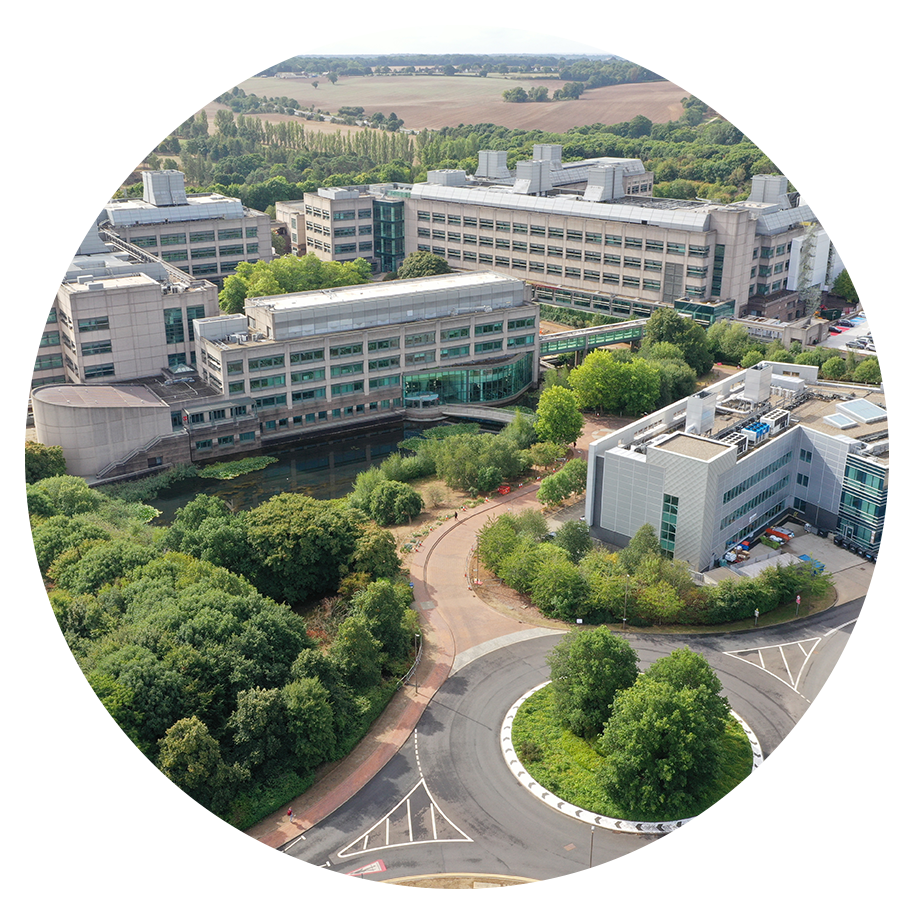
GSK, Stevenage
Join Us!
On Thursday 14 November, we will be hosting a day full of scientific talks, presentations and networking opportunities at GSK, Stevenage.
The Biologics Symposium is fully sponsored by Promega. The event is open to delegates across the UK and has a limited capacity.
Participation is free of charge and includes lunch, coffee, and refreshments. We advise booking early to secure your free place.
How to Get There
CAR: GSK Stevenage is located just one minute from Junction 7 of the A1(M) by car. Postcode for SatNav is SG1 2FX.
TRAIN: Stevenage station is 30 minutes from Kings Cross, and 45 minutes from Cambridge, by Train. GSK runs a free shuttle from Stevenage station to site every 15 minutes with the last service at 9.45am. The pick-up location is by the bike racks and Amazon locker - keep an eye out for the brown buses operated by Richmonds. Site visitors are eligible to travel on this shuttle by showing their registration email to the driver. You will be dropped off at the security lodge, where you can pick up your visitor badge.
PLANE: Stevenage is located 25 minutes away from London Luton airport and 40 minutes from London Stanstead airport.
Speakers
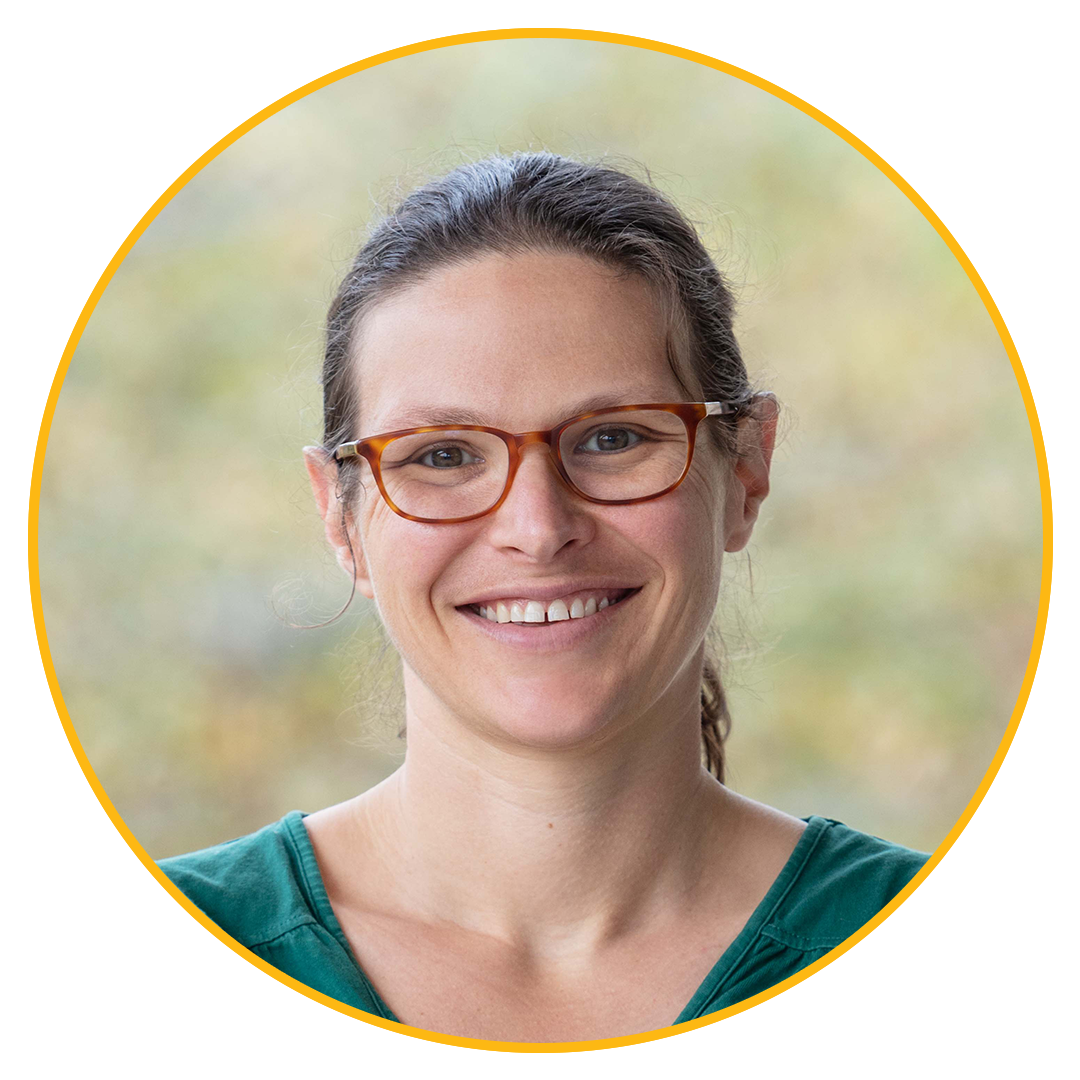
Julia Gilden, PhD
Senior Research Scientist
Promega Corporation
Julia is a Senior Scientist at Promega Corporation. Her group specialises in the development of bioassays for immuno-oncology applications, with a special focus on cell therapies and the use of primary human cells. She received her PhD in Biomedical Sciences with a focus in immunology from the University of California, San Francisco and completed postdoctoral training in cell biology and parasitology at the University of Wisconsin Madison.
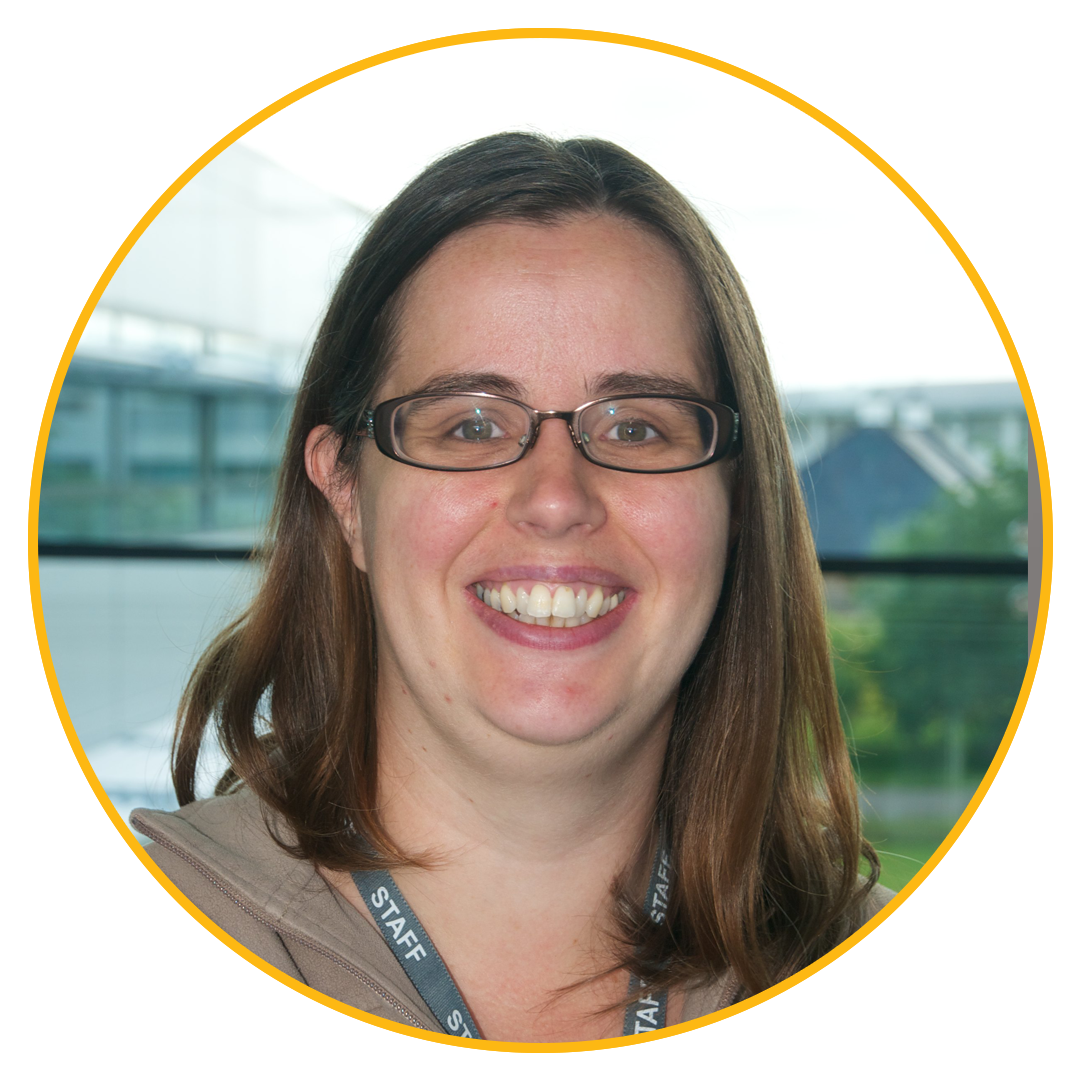
Frances Neal
AstraZeneca
Frances is a team leader in the Assays, Profiling and Pharmacology group within Biologics Engineering at AstraZeneca. She has over 20 years industrial experience in developing and running assays for biologics drug discovery across therapeutic areas. These include biochemical and cell-based assays to thoroughly characterise lead IgG for affinity, epitope, species cross reactivity, functional activity and mechanism of action. She is also highly experienced in leading strategy of multi-discipline teams to delivery high quality antibody therapeutics.
Antibody Drug Conjugates (ADCs) are combinations of the unique targeting ability of monoclonal antibodies and powerful cytotoxic drugs, which results in antibody-directed killing of cancer cells.
The functional assessment of ADCs during early drug discovery traditionally relies on proliferation assays. Whilst these assays are reliable and robust they can lengthen drug discovery timelines as they typically take 5 to 7 days to complete a single assay depending on the growth rate of the overexpressing target or tumour cells. To address this bottleneck, we are establishing a high throughput ADC assay platform using two different methods. Firstly, assessing a range of assay readouts that measure early markers of cell death, such as caspase 3/7 activity. Secondly, evaluating assays that measure a direct effect which is specific to the cytotoxic drug's mechanism of action. For example, a measure of DNA damaging agents such as topoisomerase inhibitors can be measured by induction of histone pH2AX phosphorylation.
This suite of assays offers advantages over proliferation assays as they are independent of cell growth rate, making them suitable for a wide range of cell lines, and can significantly reduce incubation times by up to 67%. Our work not only presents the lead isolation of an ADC but also showcases the development of an early cell death assay platform, promising faster identification of lead antibodies.
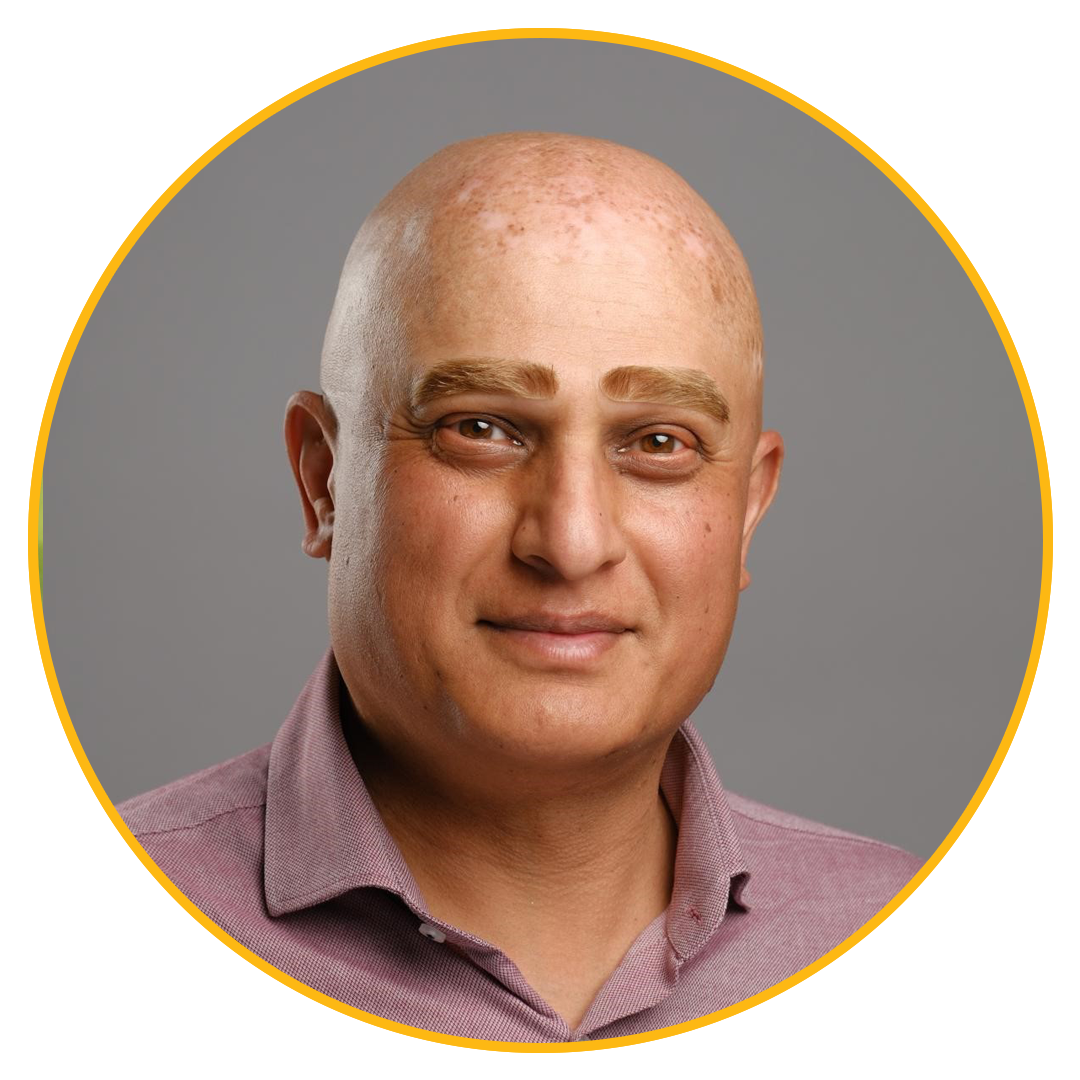
Mahendra Deonarain
Antikor Biopharma
Antibody Fragment Drug Conjugates (FDCs), a new product class tailored for solid tumours, promise many advantages over ADCs including rapid tumour penetration and faster systemic clearance. However, these have been technologically challenging to apply in oncology. Our novel approach enables high-Drug:Antibody Ratios (DARs) whilst retaining effective binding and other favourable biophysical properties. Our lead product, ANT-045 is a cMET-targeted FDC addressing a wide range of solid tumours. We will show that ANT-045 demonstrates superior tumour cure efficacy and tolerability compared to the leading competitor ADC telisotuzumab vedotin in multiple models in vivo with supporting quantitative biodistribution, imaging, biophysical stability and toxicology data. In a dose-range finding, non-GLP non-human primate study, ANT-045 was well tolerated demonstrating no signs of the usual dose-limited adverse effects seen with ADCs (neutropenia, thrombocytopenia) with a predicted half-life in human of around 12 hours supporting a viable clinical dosing strategy with a wide therapeutic window.
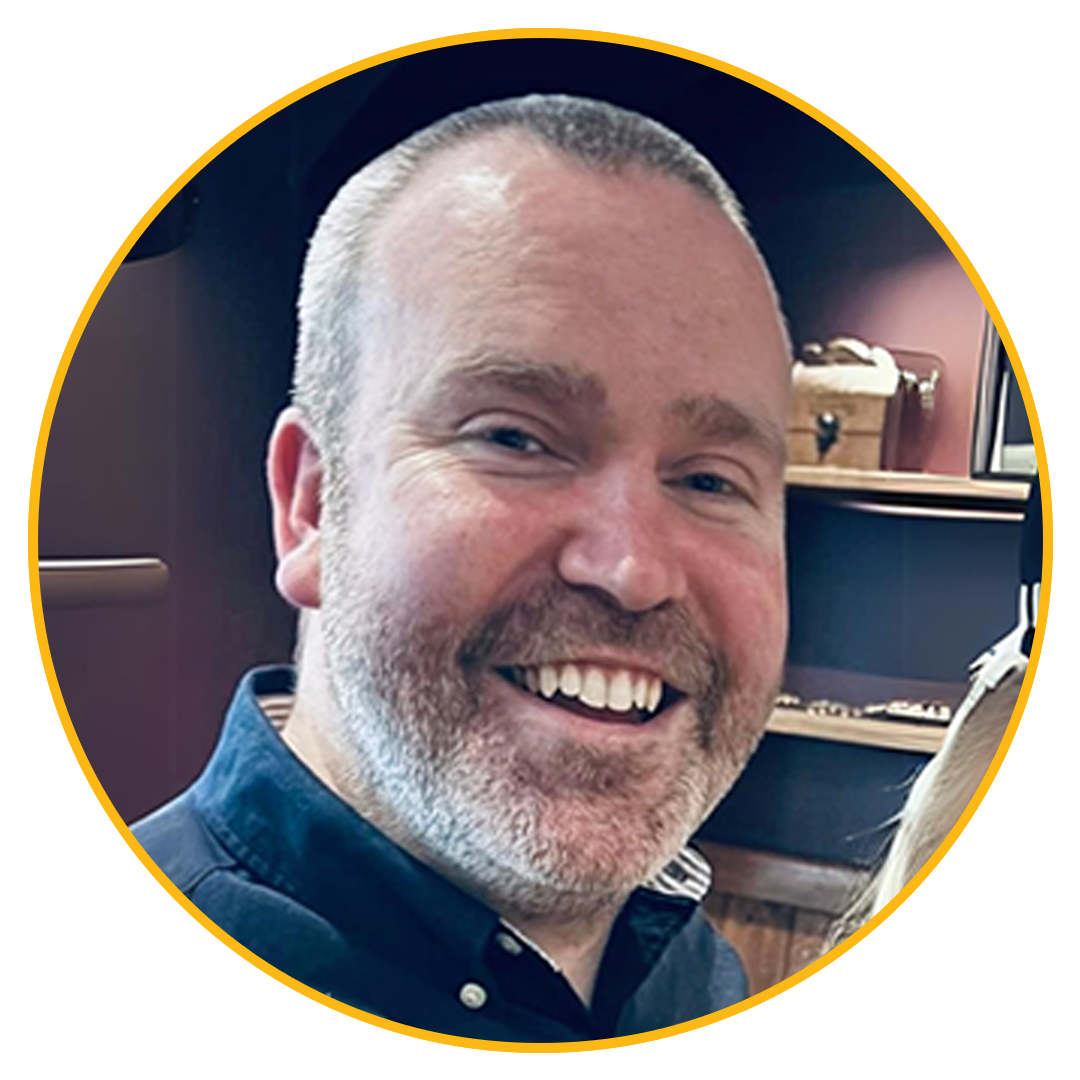
Christopher Cooper
UK Science Lead - Immunology & Immunotoxicology
Labcorp
Immunotoxicology to Support Biologics and Immuno-oncology.
Chris is the UK Science lead for Immunology & Immunotoxicology at Labcorp with a special focus on in vitro alternatives and NAMs. Chris studied Biomedical science at the Leeds Becket University and has worked at Labcorp (aka Covance) for the past 17 years. Chris spent his early years there in clinical pathology laboratories group building the Human cell-based assays In vitro Immunology capabilities. In 2017 the Immunology & Immunotoxicology group was formed, Chris continued as a senior scientist and later in his current role as UK science lead, responsible for science and strategy for the groups in Harrogate & Huntingdon.
He regularly presents data at scientific meetings in the form of posters/ presentations on NAMs and has been a regular attender of ACT, EUROTOX as well as SOT more recently.
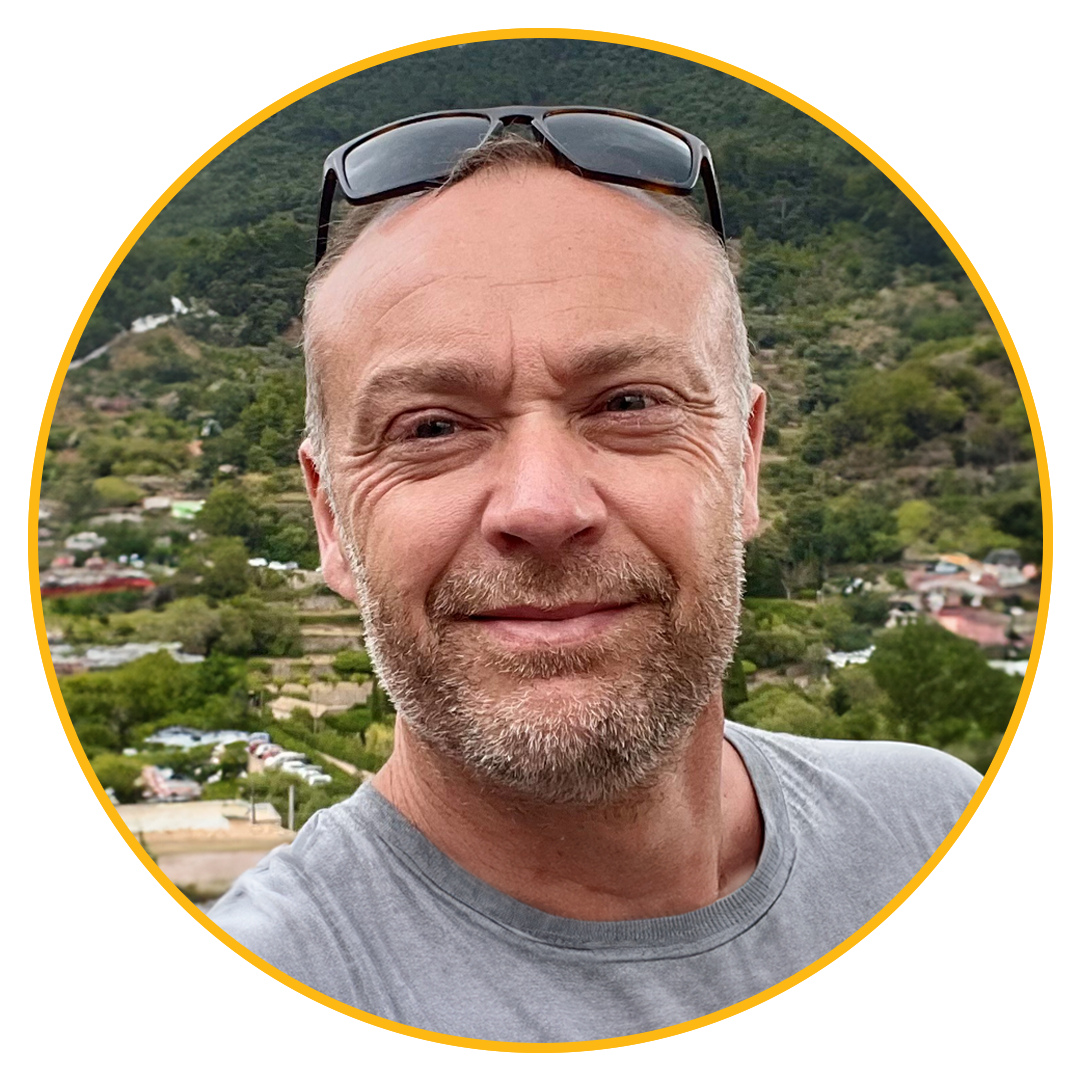
Stuart Dunn
Senior Manager, Assay Development
Labcorp
Cell Based Potency Assays to Support Biologics Development.

Rosa Gonzalez Serrano
Senior Manager
Abzena
Selecting the Optimal in vitro assays to Assess Fc-mediated Effector Functional Activity.
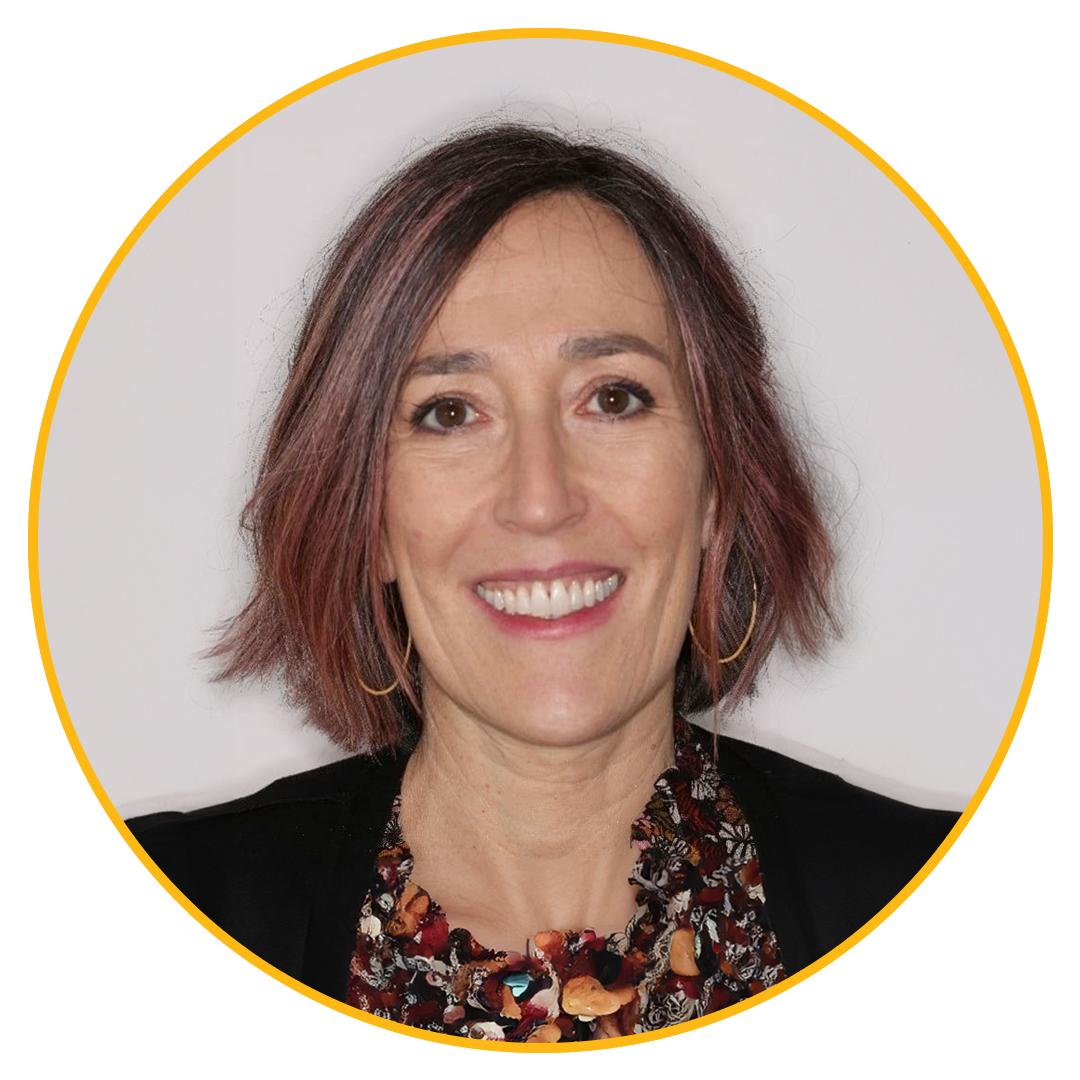
Sandra Prior, PhD
Principal Scientist
MHRA
Supporting Global Harmonisation and Traceability of Biologicals: The Role of Monoclonal Antibody International Standards & Reference Reagents for Bioassays.

Elizabeth Bourne
Automation Scientist
Arctoris
Development of a Bespoke End-to-End Automated Cell-based Screening for Assay for Novel Biologics.
Automation of cell-based screening assays provides multiple benefits for identifying superior Biologic molecules, such as increasing screening throughput, improving reproducibility and enhancing precision and accuracy of the results obtained. In collaboration with Sanofi, Arctoris developed a cell-based screening assay on the Ulysses™ platform. This screen was optimised to identify active non-purified biologics, further increasing the scope and speed of samples that can be tested. This presentation will cover the key steps of this assay development; from initial optimisation of assay parameters and expanding capabilities for screening non-purified biologics, to developing the fully end to end automated workflow.
Agenda
| 9:30 | Registration & Coffee |
|---|---|
| 10:00 | Leanne Wickens | Promega UK Welcome Address. |
| 10:10 |
Julia Gilden | Promega Corporation Quantifying Cell Death in Mixed Culture: Applications of HiBiT in CAR-T Potency and ADC Bystander Killing. |
| 10:50 |
Sandra Prior | NIBSC Supporting Global Harmonisation and Traceability of Biologicals: The Role of Monoclonal Antibody International Standards & Reference Reagents for Bioassays. |
| 11:30 | Coffee |
| 12:00 | Chris Cooper | Labcorp Immunotoxicology to Support Biologics and Immuno-oncology. |
| 12:20 |
Stuart Dunn | Labcorp Cell Based Potency Assays to Support Biologics Development. |
| 12:40 | Antibody Society Spotlight |
| 12:45 |
Lunch & Networking |
| 13:45 |
Frances Neal | AstraZeneca Developing Cell Death Assays for Faster Identification of Lead Antibody Drug Conjugates. |
| 14:25 |
Rosa Gonzalez Serrano | Abzena Selecting the Optimal in vitro assays to Assess Fc-mediated Effector Functional Activity. |
| 15:05 |
Tea & Posters |
| 15:35 | Mahendra Deonarain | Antikor Biopharma Discovering and Developing the Next Generation of ADCs. |
| 16:15 | Elizabeth Bourne | Arctoris Development of a Bespoke End-to-End Automated Cell-based Screening Assay for Novel Biologics. |
| 16.55 | Leanne Wickens | Promega UK Closing Remarks |
| 17:00 | Event Close |
Media Partner

The Antibody Society, Inc. is a global non-profit trade association representing individuals and organizations engaged in antibody research and development. We provide cutting-edge information, facilitate leading industry conferences, and uphold high standards in scientific communication through our website, presentations, and publications.
Our Adaptive Immune Receptor Repertoire Community focuses on next-generation sequencing technologies for studying antibody and T-cell receptor repertoires.
To explore membership benefits, click the below button.
We’ll be present at the symposium—come visit our booth for a surprise goodie!